Last updated November 21, 2026
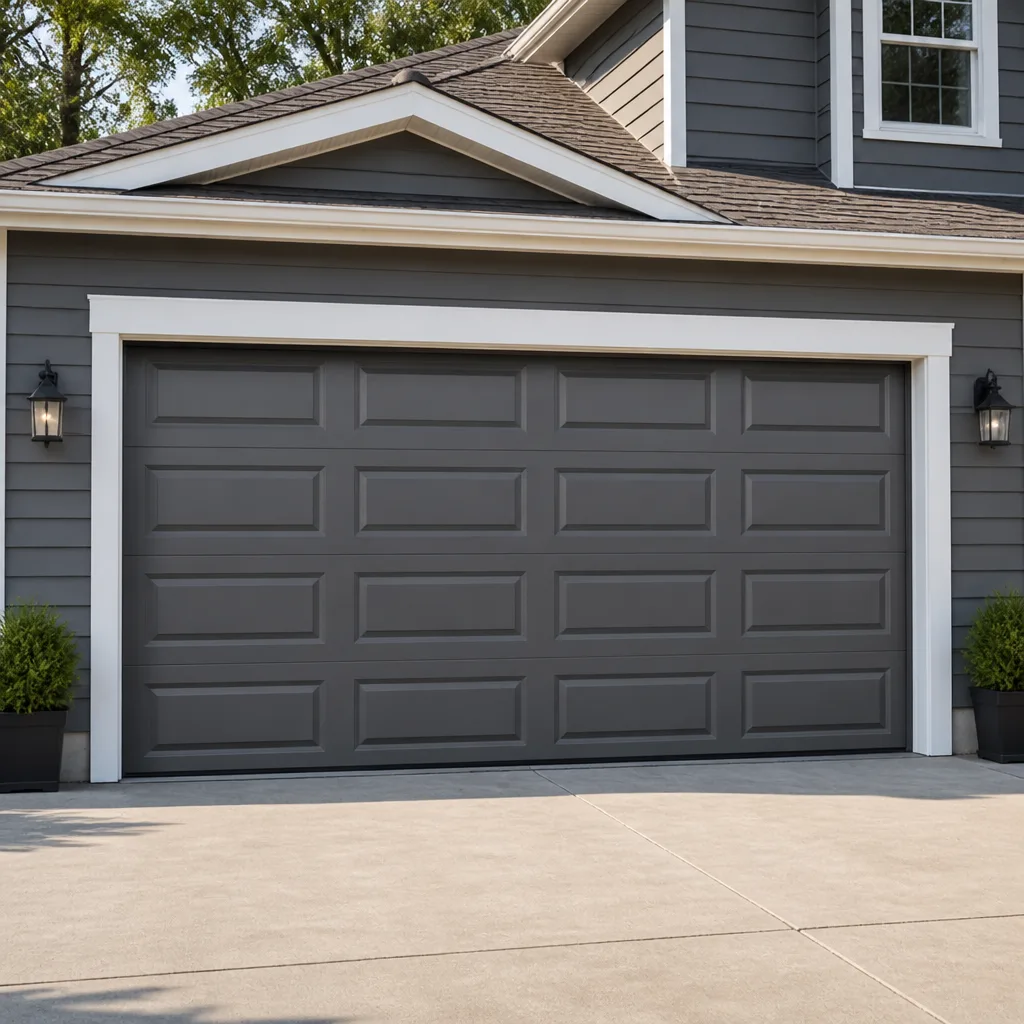 Raised-panel steel
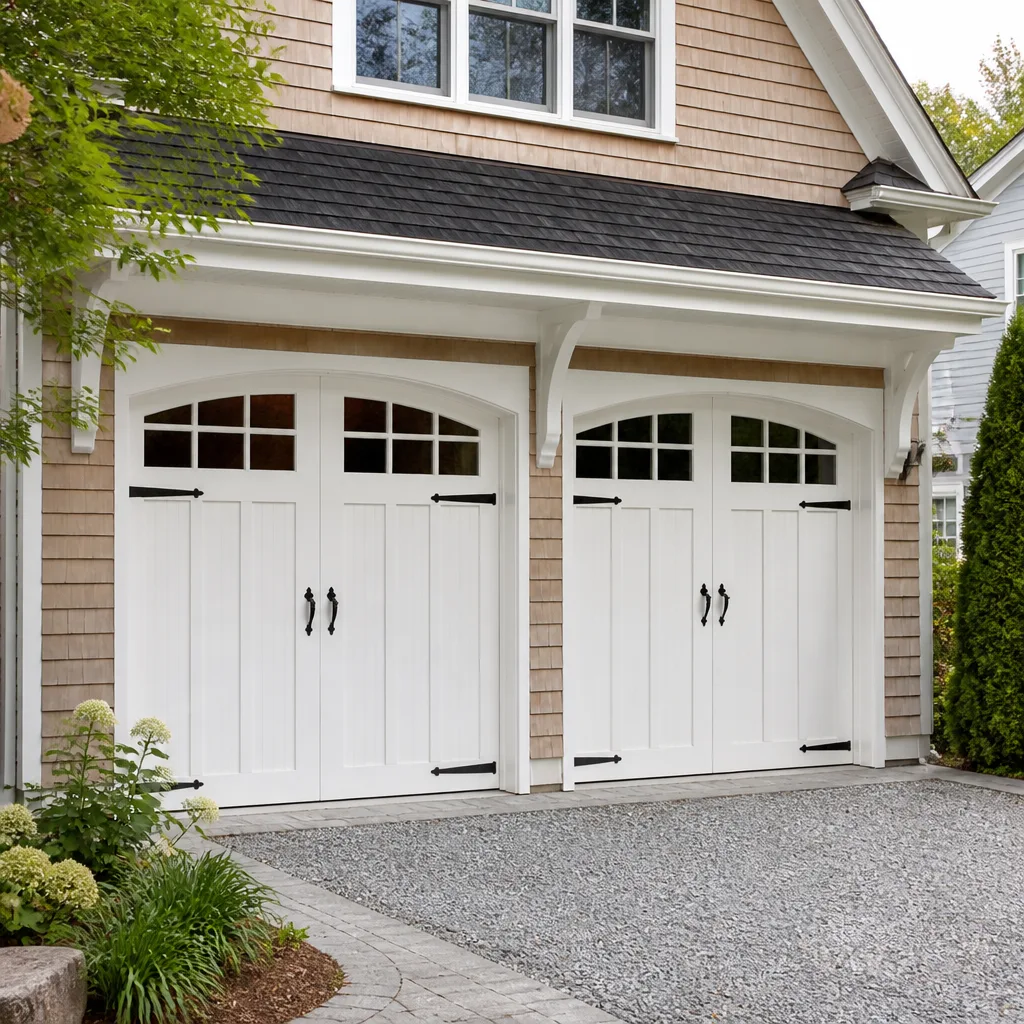 Carriage house
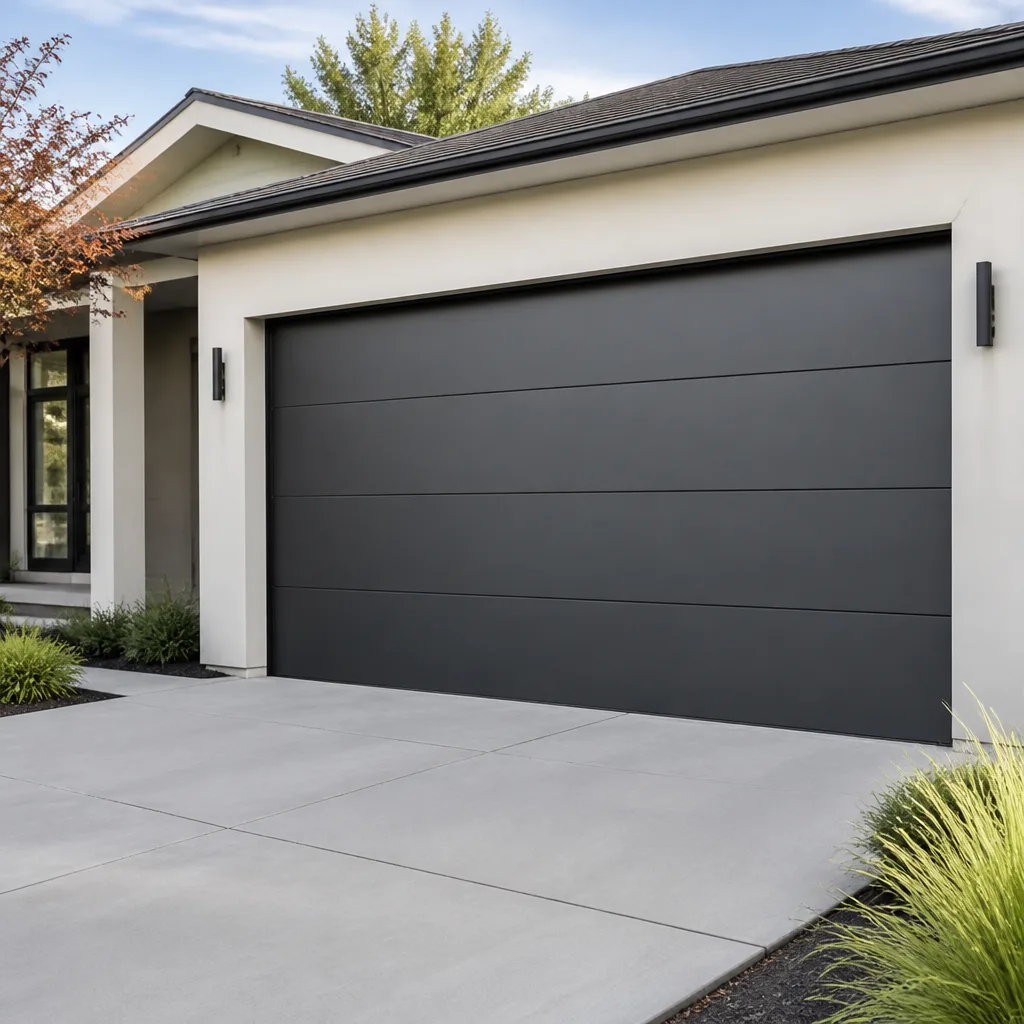 Modern flush
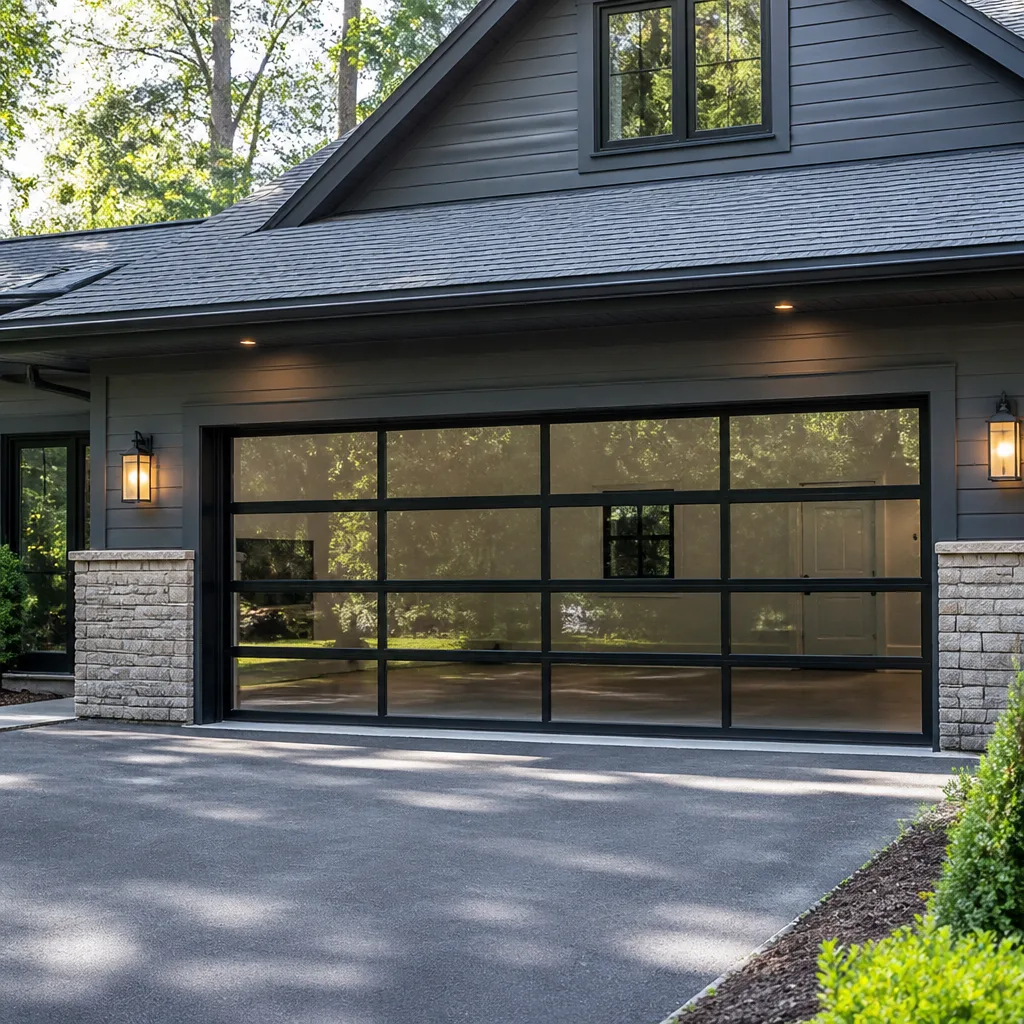 Full-view glass
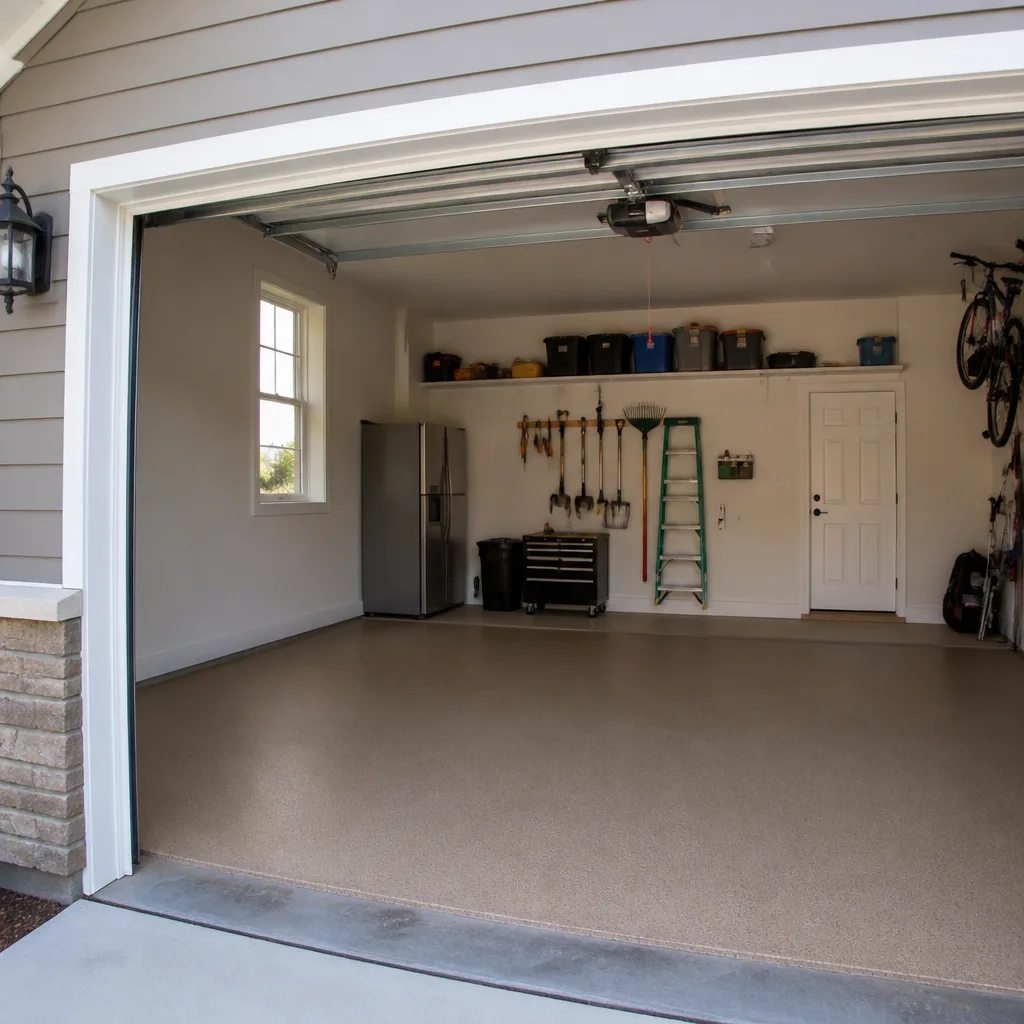 LiftMaster openers
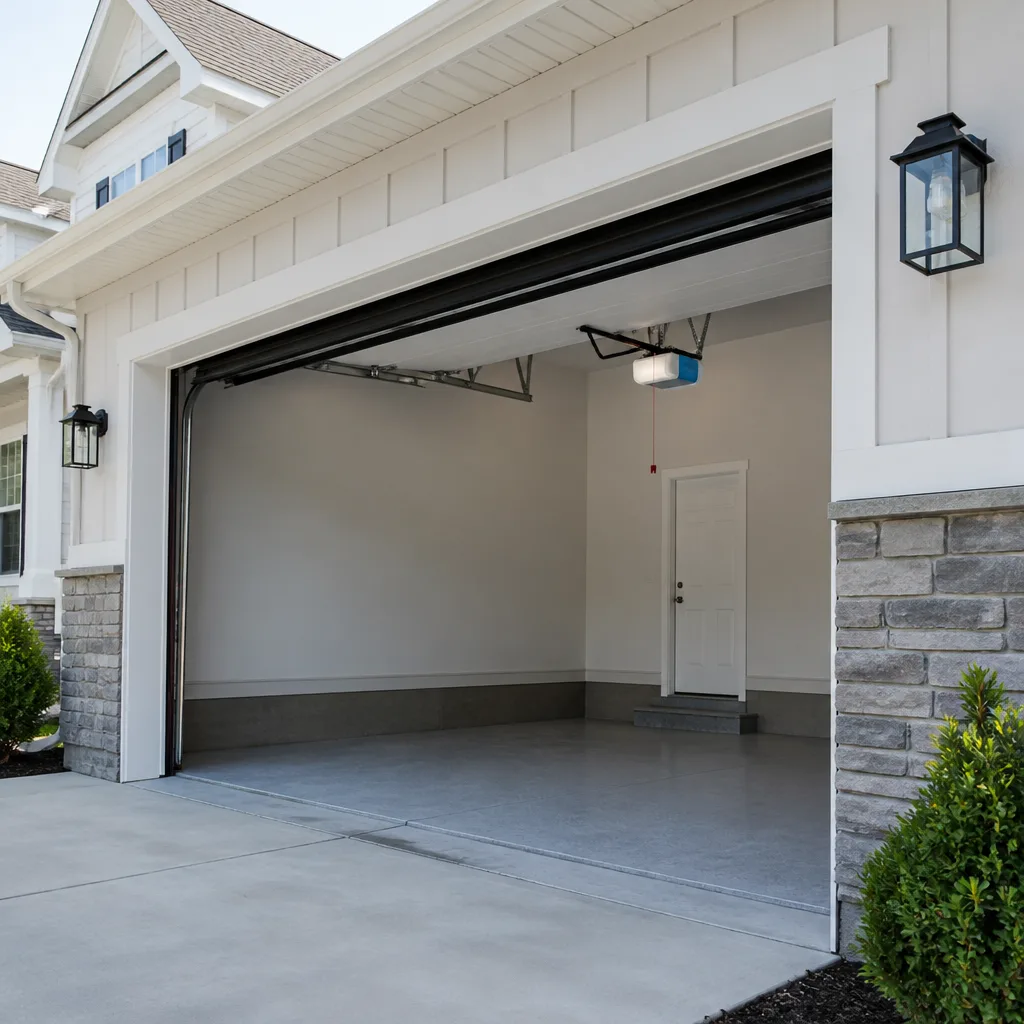 Chamberlain openers
Full 25-point door and opener safety check with every visit - springs, cables, rollers, tracks, and your LiftMaster or Chamberlain opener included
You get a price before we start. It does not change when the pro arrives.
Get your free estimateSeasonal Garage Door Care for The Woodlands: Year-Round Homeowner’s Guide
February in The Woodlands can hit 75°F one week and produce a hard freeze the next, and your garage door hardware doesn’t care what month the calendar says. It responds to conditions: heat, humidity, wind, and the occasional cold snap that catches everyone off guard. The mistake most homeowners make is following a national maintenance calendar built for places with four equal seasons. The Woodlands doesn’t have those. It has a long, punishing summer, a short mild winter with a handful of freeze events, and two shoulder seasons that ask completely different things of your door. This guide breaks care down by the seasons you actually experience here, from the spring hardware to the weatherstripping to the opener logic board, so you can spot wear before it becomes a repair.
Quick Answer
Garage door care in The Woodlands should follow the local climate rather than a standard four-season calendar: inspect and lubricate moving parts before summer heat peaks, test and protect springs and rollers ahead of the one or two hard freezes each winter, and check cable tension and track alignment after any high-wind storm in spring or fall. Seasonal inspection every few months, plus a simple written log, catches most wear before it turns into a failed spring or a door that won’t close.
Styles & brands we work with
- Raised-panel steel
- Carriage house
- Modern flush
- Full-view glass
- LiftMaster openers
- Chamberlain openers
Table of Contents
- Why The Woodlands Seasons Don’t Match the National Calendar
- Summer Prep: Heat, UV, and Opener Thermal Cutoff
- Winter Readiness for The Woodlands’ Freeze Pattern
- Storm Season Protocol for Spring and Fall
- How Humidity Cycling Stresses Wood Composite and Steel Doors
- Building a Seasonal Log to Track Degradation
- Brand-Specific Notes: Clopay, Amarr, Wayne Dalton, Craftsman
- When Seasonal Care Isn’t Enough
Why The Woodlands Seasons Don’t Match the National Calendar
Most garage door maintenance advice online assumes a place with a real winter and a real fall. In The Woodlands, the year runs closer to this: a warm, humid stretch from roughly April through October where the door bakes in afternoon heat, a short winter that’s mild most of the time but delivers one or two sharp freezes, and two shoulder windows in between where the temperature swings hard in both directions. Each of those periods stresses different parts of the door system.
Heat expands steel panels and softens weatherstripping. Humidity swells wood composite and works at seams. Freeze events stiffen lubricant and put sudden loads on springs and rollers that have been sitting in summer heat for months. Wind events, which The Woodlands sees during spring and fall storm season, twist tracks and load cables unevenly. If you service the door once a year on a fixed date, you’ll miss at least one of these cycles every time.
The better approach is to inspect on the front edge of each local season, roughly:
- Late spring (before peak heat): lubricate, tighten, check weatherstripping.
- Late summer (after months of heat): re-check seals, listen for opener strain.
- Late fall (before freeze risk): test spring tension, rollers, and safety reverse.
- After any named wind event: visual track and cable check.
That’s four touchpoints instead of two, and each one is targeted at what the coming weeks will actually do to the door. It’s the same reason we treat garage door repair here as a seasonal diagnostic question, not just a “something broke” call.
Summer Prep: Heat, UV, and Opener Thermal Cutoff
Summer is the longest season in The Woodlands and the hardest on your door hardware. Steel panels expand in direct afternoon sun, which can make a door that ran smoothly in March start to scrape or bind by July. The panels themselves are fine, but the clearances shift, and anything already slightly out of adjustment gets worse.
UV does quiet, cumulative damage to weatherstripping. The rubber or vinyl seal along the bottom and sides of the door dries out, cracks, and stops sealing. You may not notice until a heavy rain blows in sideways and water gets under the door, or until you see daylight around the edges at night.
Then there’s the opener. Most modern openers have a thermal cutoff that shuts the motor down if it gets too hot, especially in an unventilated garage that’s been sitting at 100°F+ all afternoon. If your door stops responding on a hot day and works fine the next morning, that’s usually the opener protecting itself, not a failed motor. Repeated cutoffs under load are worth a look at the opener’s force settings and the door’s balance.
Summer checklist:
- Lubricate hinges, rollers, and the torsion bar with a garage-door-rated lubricant, not WD-40 or general-purpose oil.
- Run the door a full cycle and listen for scraping, grinding, or a motor that sounds labored.
- Inspect the bottom seal and side seals for cracks, gaps, or sections pulling away.
- Test the safety reverse by placing a small object in the door’s path and confirming it reverses on contact.
- Clear the area around the opener so it can shed heat, and check that vents in the garage aren’t blocked.
If the opener itself is the weak link, that’s usually a separate conversation from the door, which is why we handle garage door opener repair as its own diagnostic track. LiftMaster and Chamberlain units in particular have specific thermal behavior and force settings worth understanding.
Winter Readiness for The Woodlands’ Freeze Pattern
The Woodlands doesn’t get a long winter. It gets a mild one interrupted by one or two hard freezes, usually somewhere between December and February, and those freezes are what cause real problems. Springs and rollers that were fine at 60°F can behave differently at 24°F. Lubricant stiffens. Metal contracts. A spring that was already near the end of its life is much more likely to let go on the first cold morning than on a mild one.
The other winter risk is the door’s balance. A door that’s slightly off-balance in warm weather becomes noticeably harder for the opener to lift when everything is cold and stiff. That extra load shows up as a straining motor, a door that reverses partway up, or a remote that works intermittently.
Before the first freeze risk each year:
- Test the door balance by hand (with the opener disconnected) and confirm it stays roughly halfway open on its own.
- Re-lubricate moving parts with a cold-rated garage door lubricant.
- Check spring condition visually for gaps, rust, or obvious wear. Never touch, adjust, or attempt to replace torsion springs yourself; they’re under extreme tension and can cause serious injury. This is a job for a trained technician.
- Run the opener through several full cycles on a cold morning and listen for strain.
- Confirm the weather seal is intact so cold air isn’t driving up your heating load through a gap at the bottom of the door.
If any of that turns up a problem, especially with springs, don’t wait for the freeze to force the issue. Annual garage door spring repair inspections in late fall catch most of this before the cold does.
Storm Season Protocol for Spring and Fall
Spring and fall are when The Woodlands gets its strongest wind events. A garage door is a large flat surface, and in a gust it takes real load. Even if the door isn’t damaged, high wind can flex panels, shift tracks slightly out of alignment, and put uneven tension on cables. The door may still run, but a small misalignment today becomes a binding door or a snapped cable a few weeks later.
After any significant wind event, do a quick check:
- Visual track check: look down the length of each vertical and horizontal track. They should be straight and parallel. Any bowing, dents, or distance from the door frame is a flag.
- Cable check (visual only): confirm cables are seated in their drums and haven’t jumped. Do not touch or attempt to adjust cables; they’re under high tension and are dangerous.
- Panel check: look for dents, creases, or panels that no longer sit flush. A creased steel panel loses strength and can flex under the opener’s load.
- Roller check: confirm rollers are still seated in the track and turning freely.
- Cycle test: run the door up and down once and listen for new sounds or a change in speed.
Wind damage is one of the most common reasons we get called out after a storm front. It’s also one of the most preventable repair categories, because a five-minute check after the storm catches most of it before the door gets worse. If you’re seeing something off after a wind event, the right move is to have it looked at rather than running it repeatedly and hoping it settles.
How Humidity Cycling Stresses Wood Composite and Steel Doors Differently
The Woodlands swings between humid summer air and drier winter air, and that swing hits different door materials in different ways. It’s the reason a single “check your door seasonally” line isn’t enough.
Wood composite doors: humidity swells the material, and dry air shrinks it. Over many cycles, the seams and joints take the strain. You may see paint cracking along panel edges, small gaps at joints, or a slight warp in a panel that used to sit flat. Wood composite doors handle The Woodlands climate well when they’re sealed and painted, but once the finish breaks down, moisture gets in and the cycle gets worse. An annual check of the paint and sealant on a wood composite door is worth more than any lubrication step.
Steel doors: steel doesn’t swell with humidity the way wood composite does, but it does expand in heat and contract in cold, and it will rust at any point where the finish is broken. A small scratch on a Clopay or Amarr steel door is not a cosmetic issue here; over a couple of humid seasons, it becomes a rust spot that eats into the panel. Touch up paint on steel panels is a seasonal task, not an optional one.
Aluminum and glass: aluminum frames don’t move much with humidity, but the seals around glass panels do. Those seals are where a humid-climate door usually shows its first problem, as condensation works its way in.
The practical takeaway: know what your door is made of before you build a care plan. A wood composite door needs finish maintenance. A steel door needs touch-up. Both need the moving hardware serviced the same way. If you’re not sure what you have, we’re happy to look and tell you.
Building a Seasonal Log to Track Degradation
The single most useful thing you can do beyond the inspections themselves is write them down. Garage door wear is gradual, and the changes are almost invisible from one month to the next. A written log makes the trend visible, and it turns “it feels different lately” into “the opener has been straining for two months and it’s getting worse.”
A simple log template you can keep on a notepad in the garage or in a notes app:
- Date and season (late spring, late summer, late fall, post-storm).
- Balance test result: does the door hold roughly halfway open with the opener disconnected?
- Sound profile: smooth, slightly rough, or noisy on open and on close.
- Weatherstripping condition: intact, cracking, gaps at edges, daylight visible.
- Visual spring and cable notes: rust, gaps, or changes from last time. Remember, look only; don’t touch.
- Panel and finish condition: any new creases, scratches, or paint failures.
- Opener behavior: cycles smoothly, reverses partway, cuts out on hot days.
- Action taken: lubricated, tightened, replaced a seal, called a technician.
After a year, the log tells you things no single inspection can. If opener strain has increased across three entries, you’re watching a spring or balance issue develop, and it’s cheaper to address now than after the next freeze. If weatherstripping cracked in both summer entries, you know it’s a two-year replacement cycle in your specific garage, not a one-time fix.
We’ve seen how much patterns like this matter for garage door parts planning, since knowing what’s failing on your door tells you what to have on hand. It’s also why we keep real parts in stock rather than relying on order-then-wait cycles.
Brand-Specific Notes: Clopay, Amarr, Wayne Dalton, Craftsman
Different brands have different design choices, and knowing yours makes seasonal care faster and better targeted. A few notes for doors and openers common in The Woodlands homes:
- Clopay steel doors typically use a specific hinge and roller pattern that’s easy to lubricate on schedule, but the bottom seal is the wear item to watch. Clopay’s weatherstripping should be checked at the late-summer touchpoint, before it cracks.
- Amarr doors use heavy-gauge steel panels that handle heat expansion well, but the paint finish on a scratched panel needs touch-up promptly, or rust moves in over the humid season.
- Wayne Dalton doors (including the TorqueMaster spring system on some models) are worth understanding before you try to do spring maintenance yourself. If your door uses a TorqueMaster, that system is enclosed and should be left alone entirely; let a technician look at it.
- Craftsman openers often have older force and travel-limit adjustment controls that get bumped over the years. If they’re running a door that’s slowly going out of balance, they can hide the problem by over-driving the door. Re-checking balance seasonally keeps the opener from fighting a door that needs adjustment.
The point of brand familiarity isn’t to sell you a specific product. It’s to make sure the technician servicing your door isn’t guessing at what’s inside it. We work with LiftMaster, Chamberlain, Genie, Clopay, Amarr, Wayne Dalton, Craftsman, and Raynor day in and day out, and the failure patterns for each are different enough that it matters.
When Seasonal Care Isn’t Enough
Seasonal maintenance catches a lot, but it can’t catch everything, and some things are genuinely a professional call. The clearest signals:
- A spring is broken, sagging, or showing gaps. Never attempt to repair or replace torsion springs yourself; the stored energy can cause severe injury.
- Cables are slack, frayed, or off their drums. Cables are under high tension and are dangerous to touch.
- The door is visibly out of balance or reverses partway up, even after lubrication.
- Panels are dented, creased, or no longer flush.
- The opener labors, cuts out repeatedly, or won’t complete a cycle.
- You hear popping, snapping, or grinding sounds on any operation.
Most of these get worse and more expensive if you keep running the door. If you’re not sure whether it’s seasonal wear or an actual failure, the right move is a professional look. We offer free estimates in The Woodlands, and our technicians have up to 8 years of experience on garage doors specifically; call (866) 748-8990 and we’ll diagnose the issue and quote it before any work begins.
We also handle full replacement when the door is beyond economical repair. If you’re weighing repair vs. replacement on an older door, the honest answer depends on panel condition, spring age, and whether the opener is compatible with a newer door system. We’ll walk you through the comparison, and if a replacement is the right call, garage door installation is scheduled and measured, not rushed, so the fit and spring setup are correct from day one.
Common Mistakes to Avoid
- Following a national four-season calendar. A guide written for the Northeast tells you to prep for harsh winters and long springs. The Woodlands has a long summer and a short, mild winter with occasional freezes; the maintenance priorities are different. Match the schedule to the local pattern.
- Using WD-40 or general lubricant on the tracks and rollers. It attracts dust, gums up in heat, and makes the door worse. Garage-door-rated lubricant is what the door was designed for, especially in summer heat.
- Lubricating the tracks themselves. Tracks are meant to run dry so the rollers roll cleanly. Lubricating the tracks attracts grit and causes binding.
- Ignoring weatherstripping until water gets in. By the time you see a wet floor in the garage, the seal has been failing for months. Check it at the late-summer touchpoint, before the rain that comes with fall fronts.
- Trying to adjust torsion springs or cables yourself. Both are under extreme tension and are among the most dangerous jobs in home maintenance. Watch them visually; never touch, adjust, or replace them.
- Skipping the post-storm check. A door that survived a wind event isn’t necessarily fine. Track alignment and cable seating are what fail a week or two after the storm, not during it.
- Assuming a hot-day opener failure means the motor is dead. It’s often thermal cutoff working correctly. Cycle the door on a cooler morning before you assume the worst.
See the difference
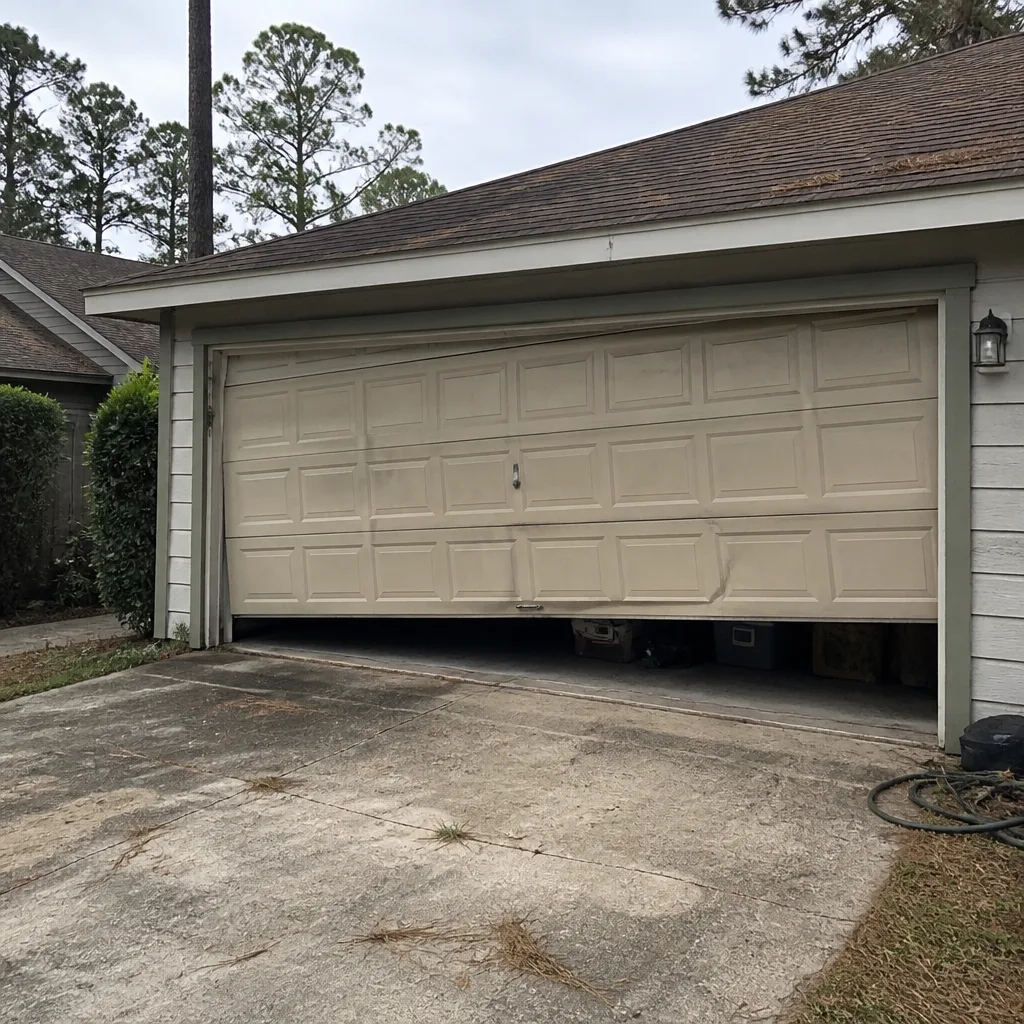 Before
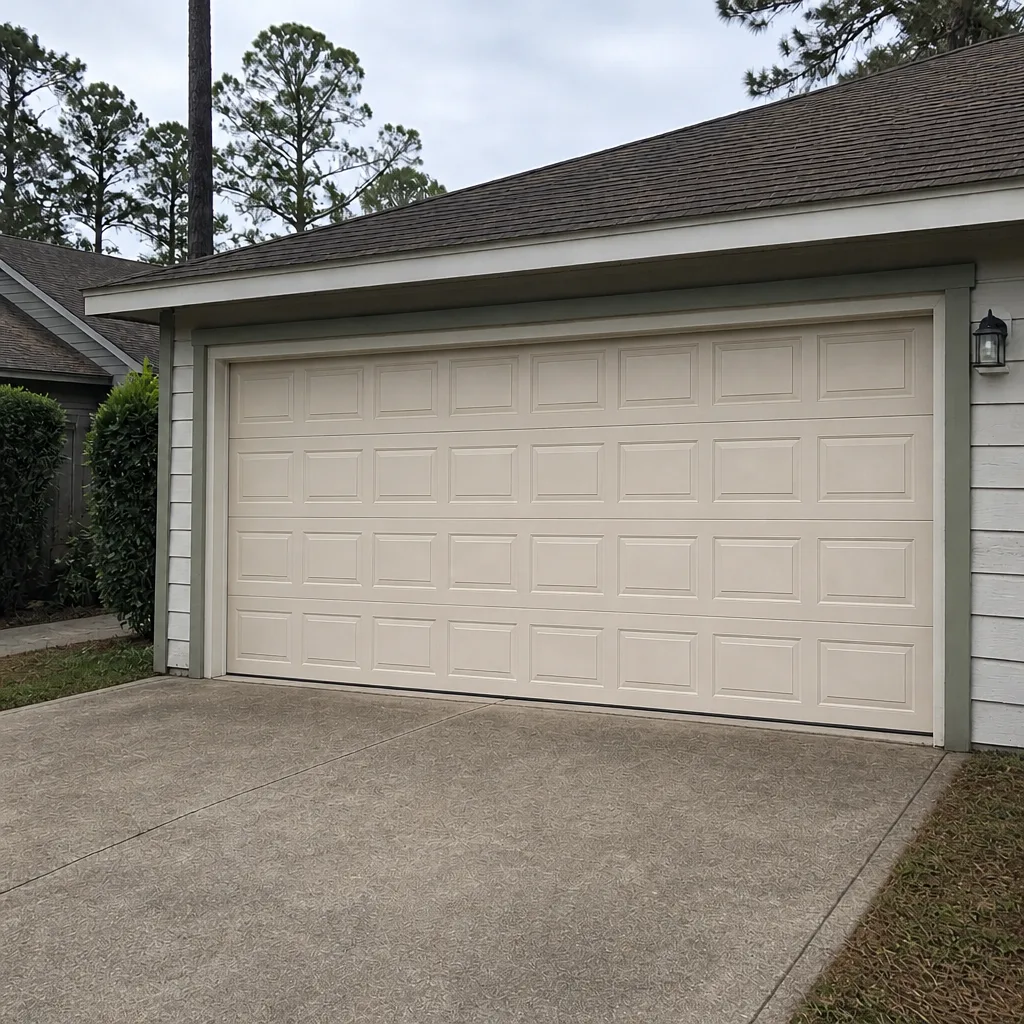 After
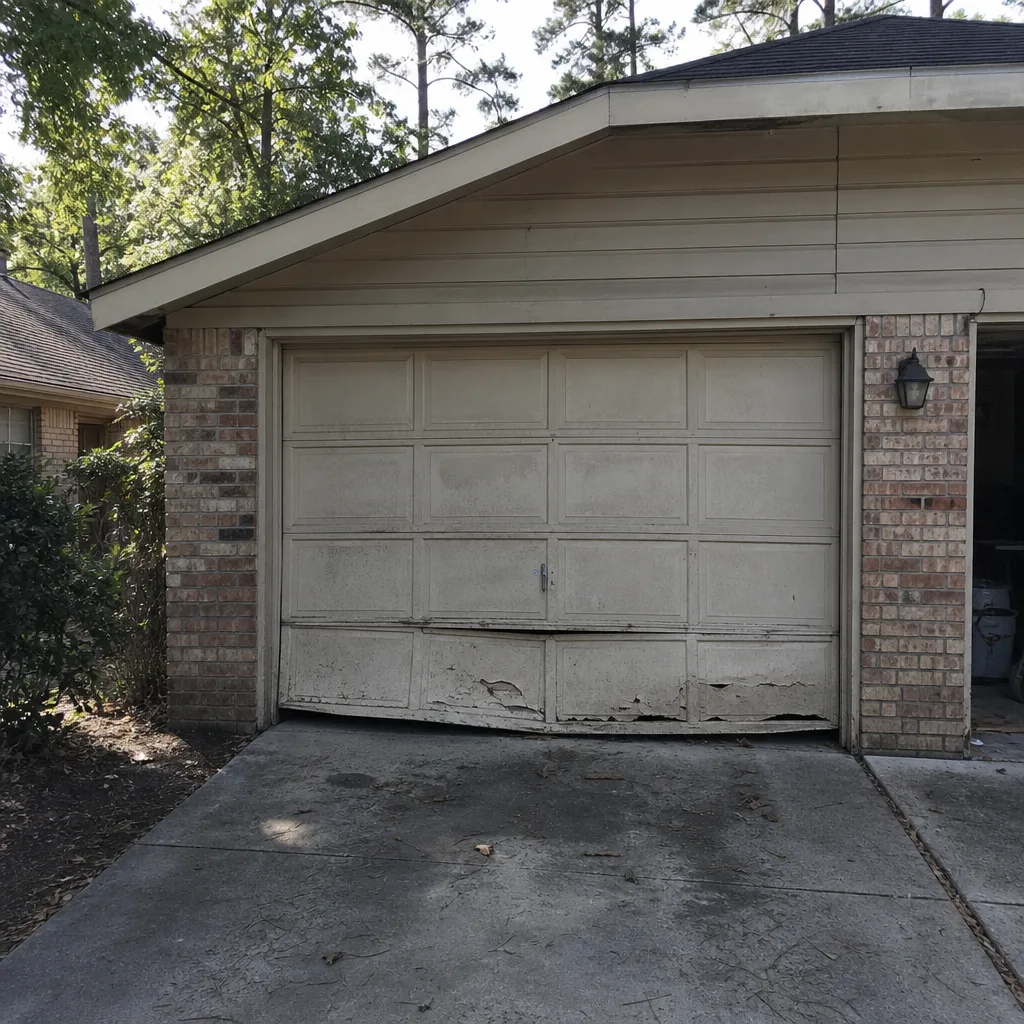 Before
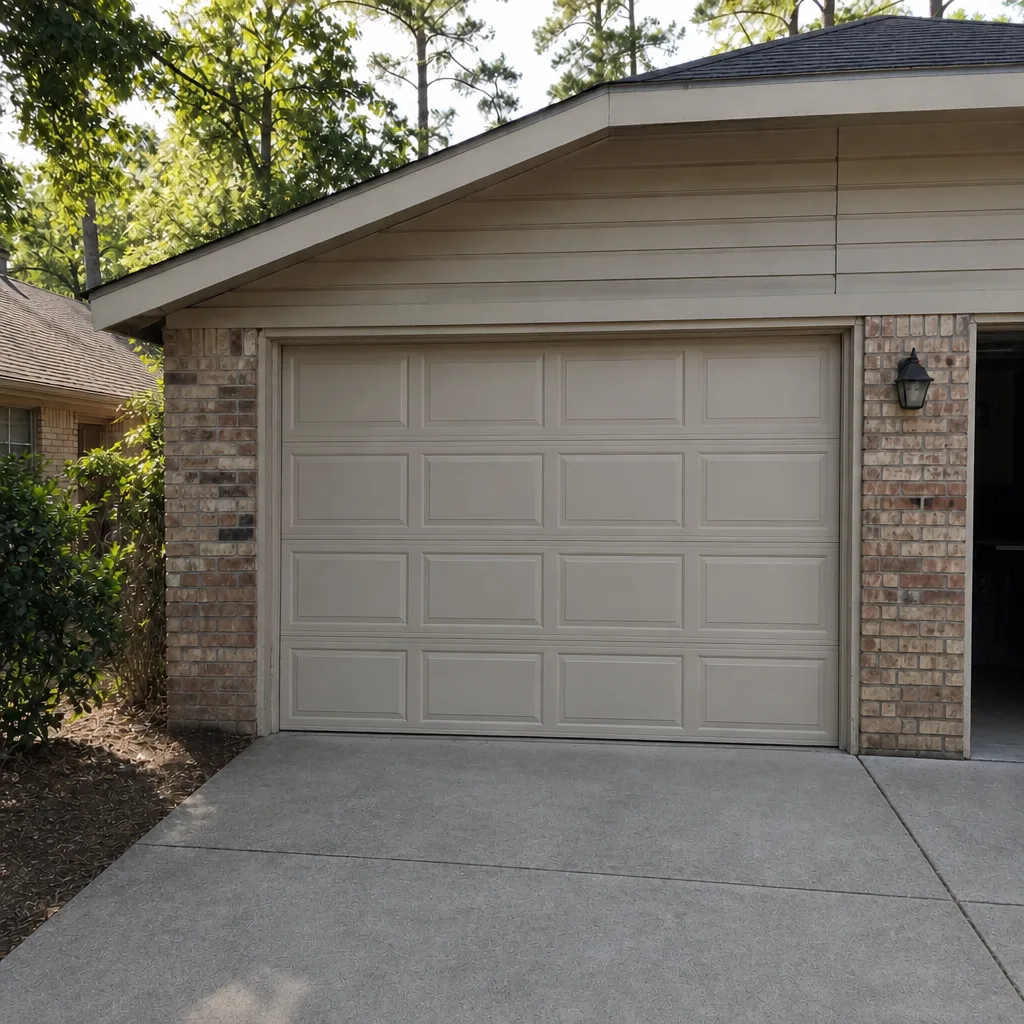 After
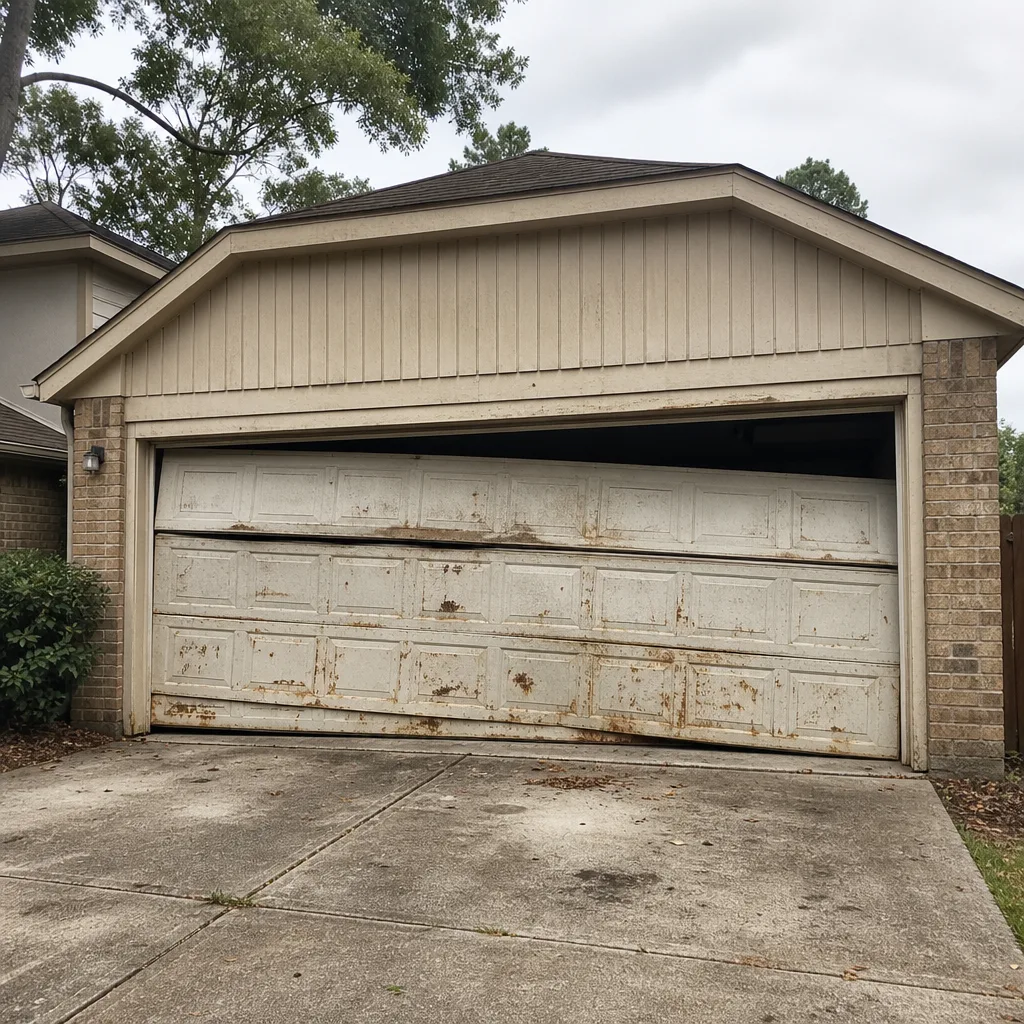 Before
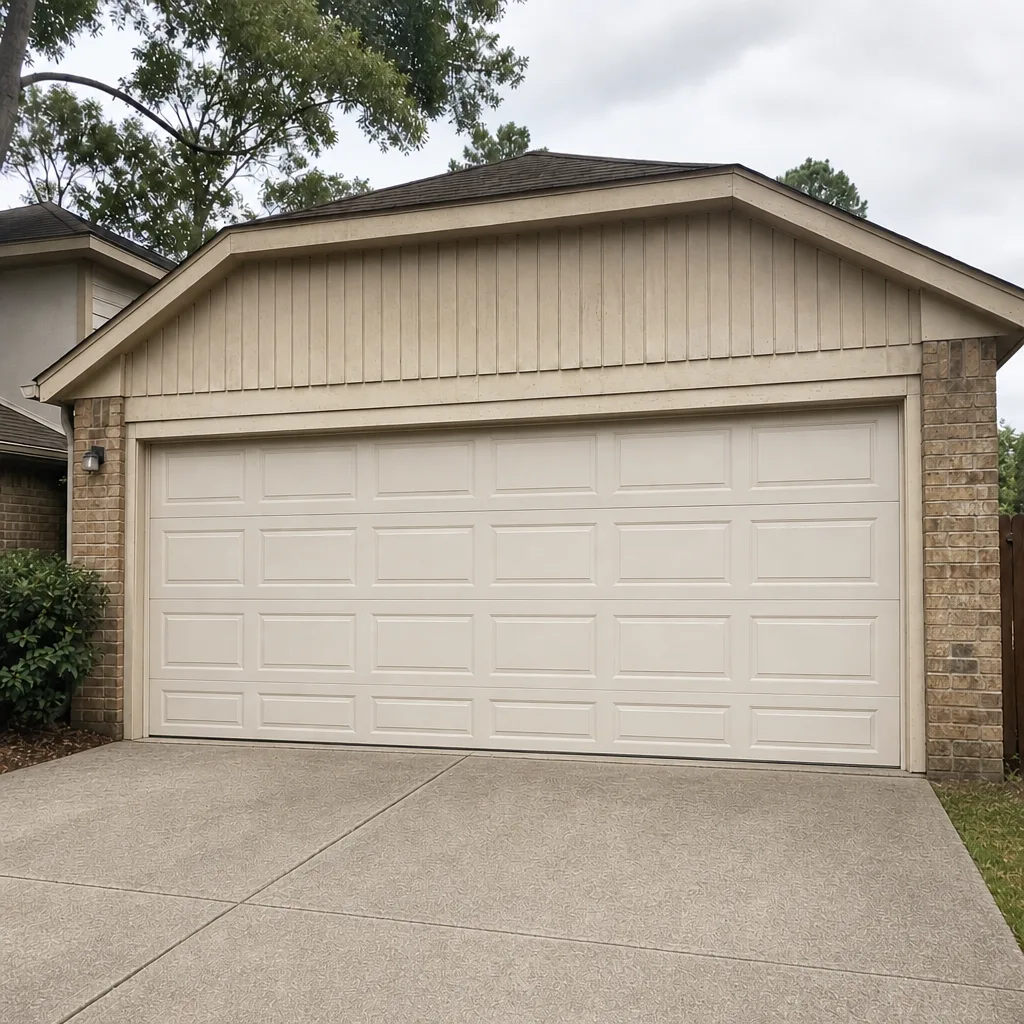 After
When to Call a Professional
Call a professional for anything involving torsion springs, cables, or the structural parts of the door; those are genuinely dangerous to touch. Call us too if your door reverses for no obvious reason, the opener is cutting out on hot days, a panel is creased, or the door has stopped running smoothly after a wind event and lubrication didn’t fix it. If you’re not sure whether a sound or behavior is seasonal wear or a developing failure, that’s exactly the call to make: it’s cheaper and easier to diagnose it early. The Woodlands Garage Door Repair Pros offers free estimates in The Woodlands, call (866) 748-8990. We handle the whole system, from the spring to the opener to the panel, so you’re not coordinating three different vendors for one door.
Frequently Asked Questions
Every three to four months, following the local seasonal pattern rather than a national calendar: before summer heat, after summer heat, before freeze risk, and after any wind storm. That cadence catches the wear cycles that matter here, which are driven by long summer heat, short freeze events, and spring and fall storms. If you do it well, most doors never need to be touched outside those windows.
Yes. The one or two hard freezes each winter are when spring and roller failures are most likely, because cold stiffens lubricant and adds load on hardware that’s already worn. Test the door balance by hand and re-lubricate with a cold-rated product before the first freeze risk each year. Never touch, adjust, or replace torsion springs yourself; if a spring looks off, call a technician.
It can be. Many openers have a thermal cutoff that shuts them down if the motor overheats, and an unventilated garage in August can trigger it. If the door works fine the next morning, that’s usually the opener protecting itself, not a failure. Repeated cutoffs under load, though, are worth having checked, because they often point to a door that’s gone out of balance.
Yes, at least visually. The Woodlands gets real wind events in spring and fall, and high wind can shift tracks and unseat cables without making the door obviously broken. A five-minute look down the tracks, at the cables (don’t touch), and at the panels after a strong system passes through catches most of it. Call a technician if the door runs roughly after the storm.
Wood composite doors need finish maintenance because humidity swells them and dry air shrinks them over time, so paint and sealant check annually matters most. Steel doors don’t swell, but they expand in heat and will rust at any scratch where the finish is broken, so touch-up paint is the seasonal task. Both need the same lubrication and balance checks on the moving hardware.
No. Torsion springs store a large amount of energy and can cause serious injury if handled incorrectly, and this is one of the most frequently botched DIY jobs in home maintenance. Spring repair is a professional job. Our technicians have up to 8 years of experience on garage doors specifically. Call (866) 748-8990 for a free estimate.
The Bottom Line
Garage door care in The Woodlands works best when it follows the local climate instead of a national calendar. Prioritize late-spring lubrication and sealing before the summer heat, check the opener’s behavior when it’s been hot for weeks, protect springs and rollers ahead of the freeze risk, and do a five-minute visual check after any wind event in spring or fall. Know what your door is made of so you maintain the finish appropriately, and keep a written log so the slow changes become visible. When something looks dangerous, especially springs or cables, stop and call a professional. We handle the whole system, from the spring to the opener to the panel, and we’re happy to inspect your door with a free estimate at (866) 748-8990. For an overview of everything we do, see The Woodlands Garage Door Repair Pros.
Written by the team at The Woodlands Garage Door Repair Pros.