Last updated November 21, 2026
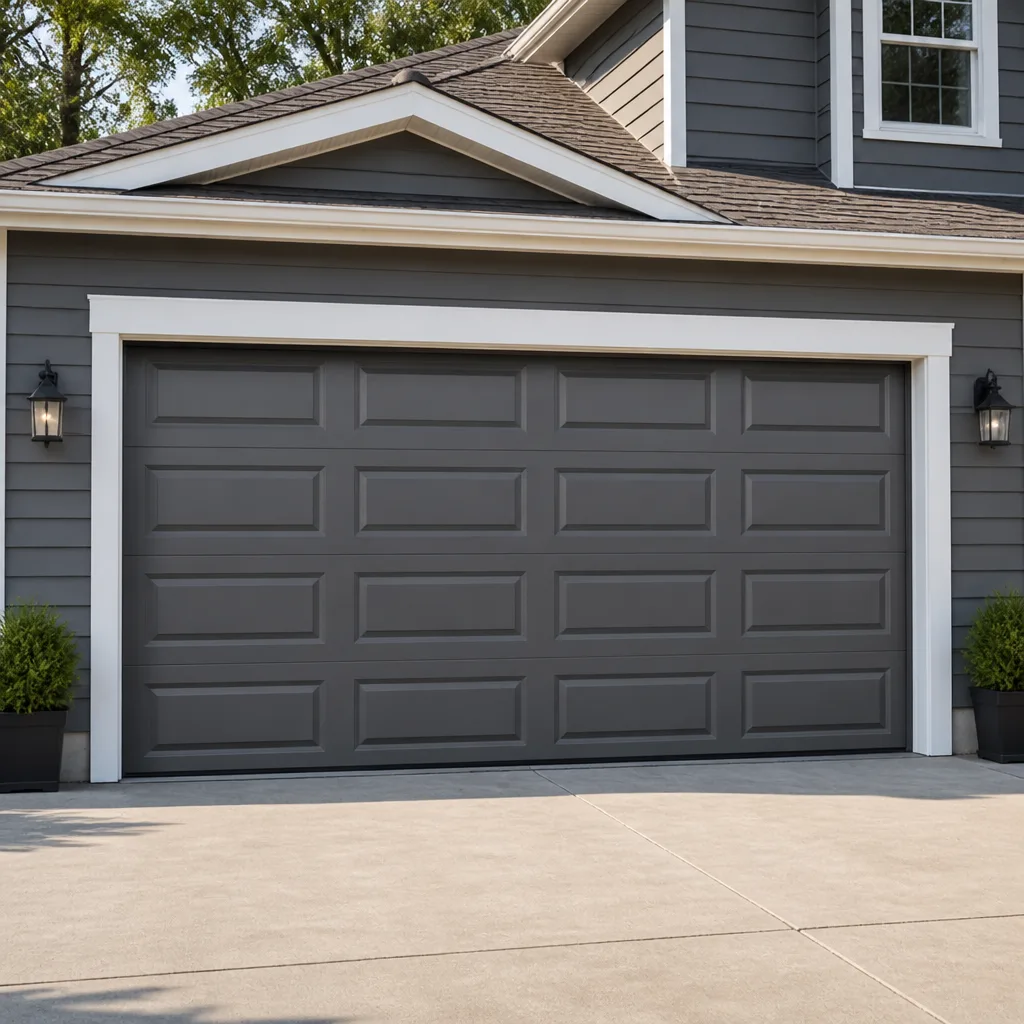 Raised-panel steel
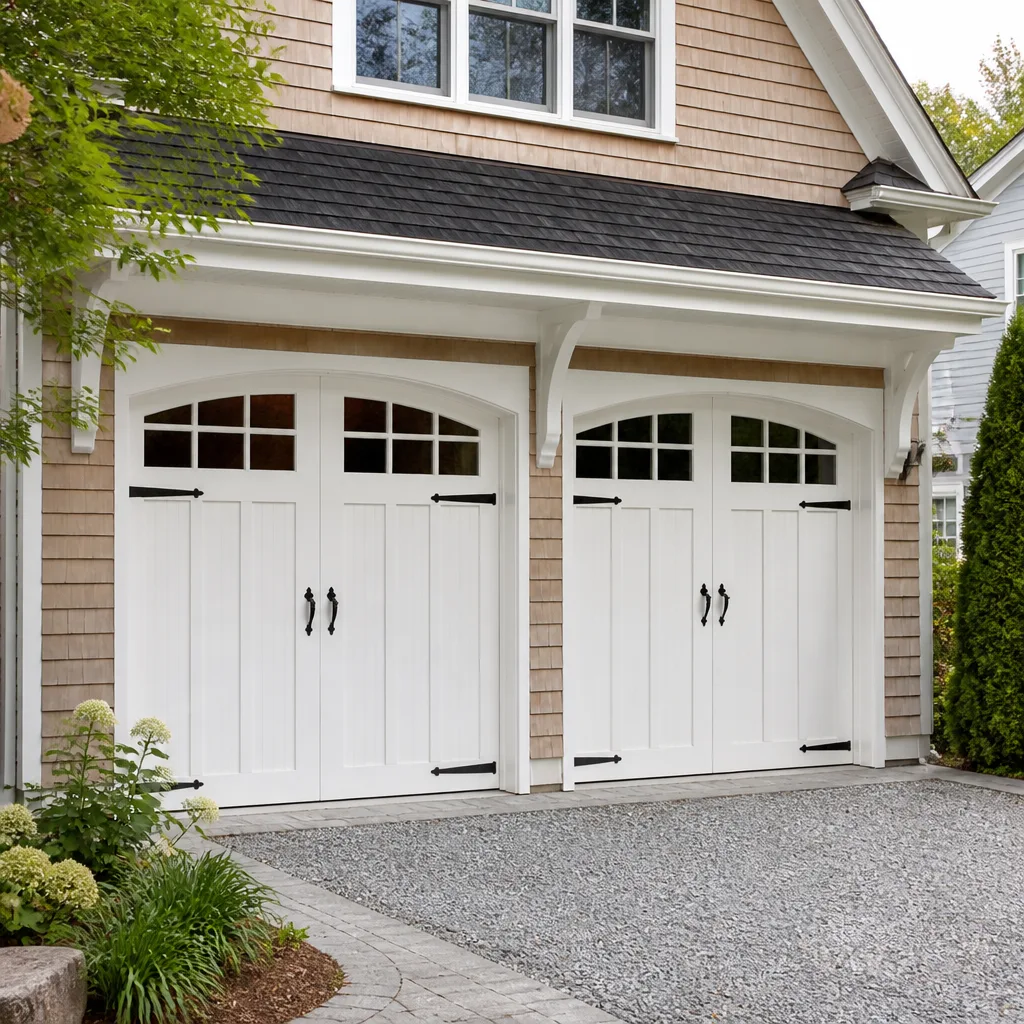 Carriage house
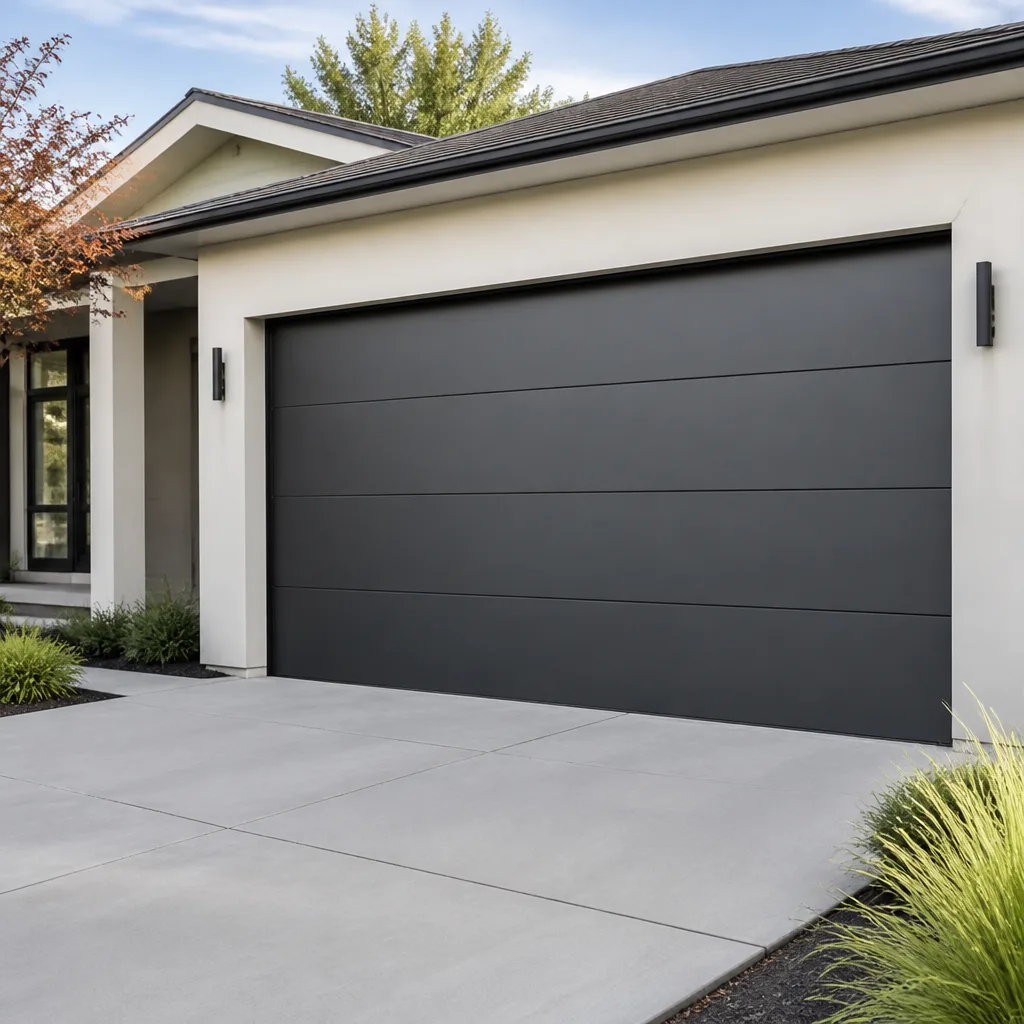 Modern flush
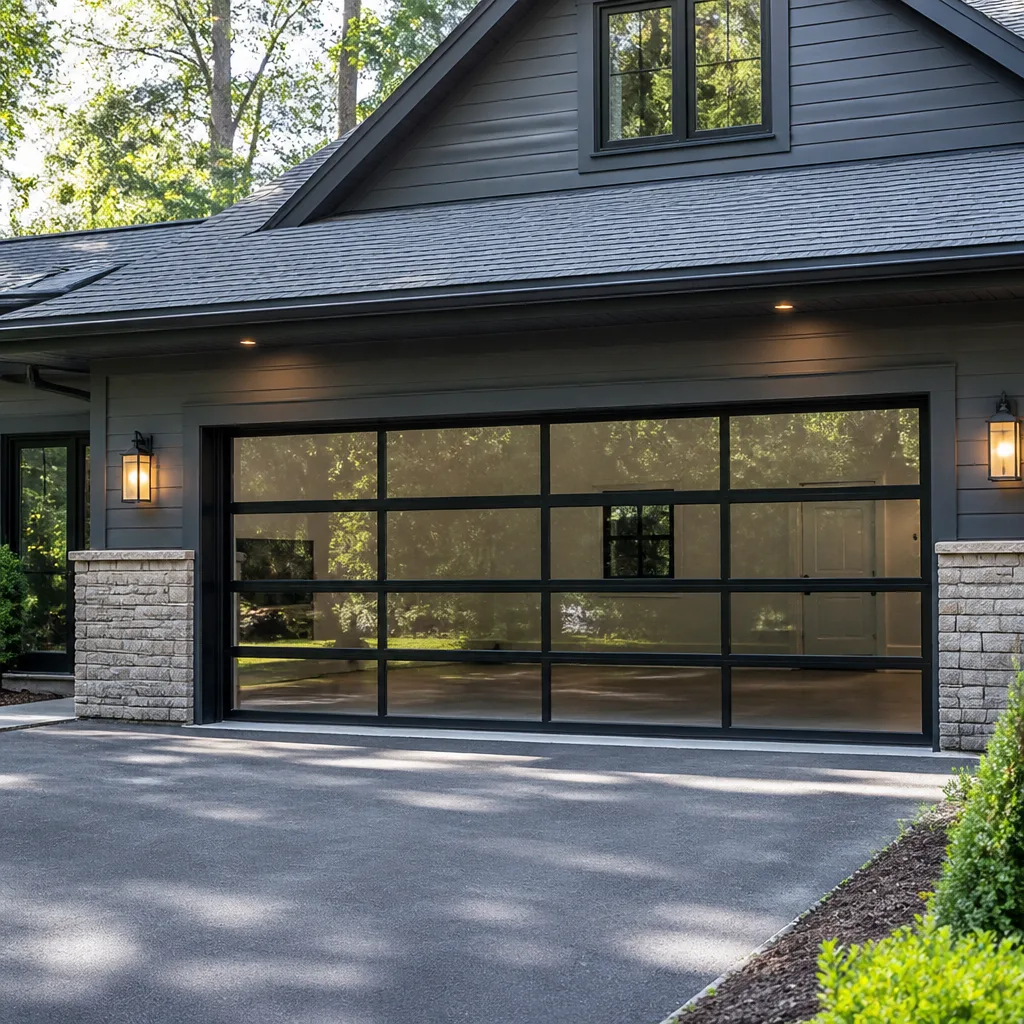 Full-view glass
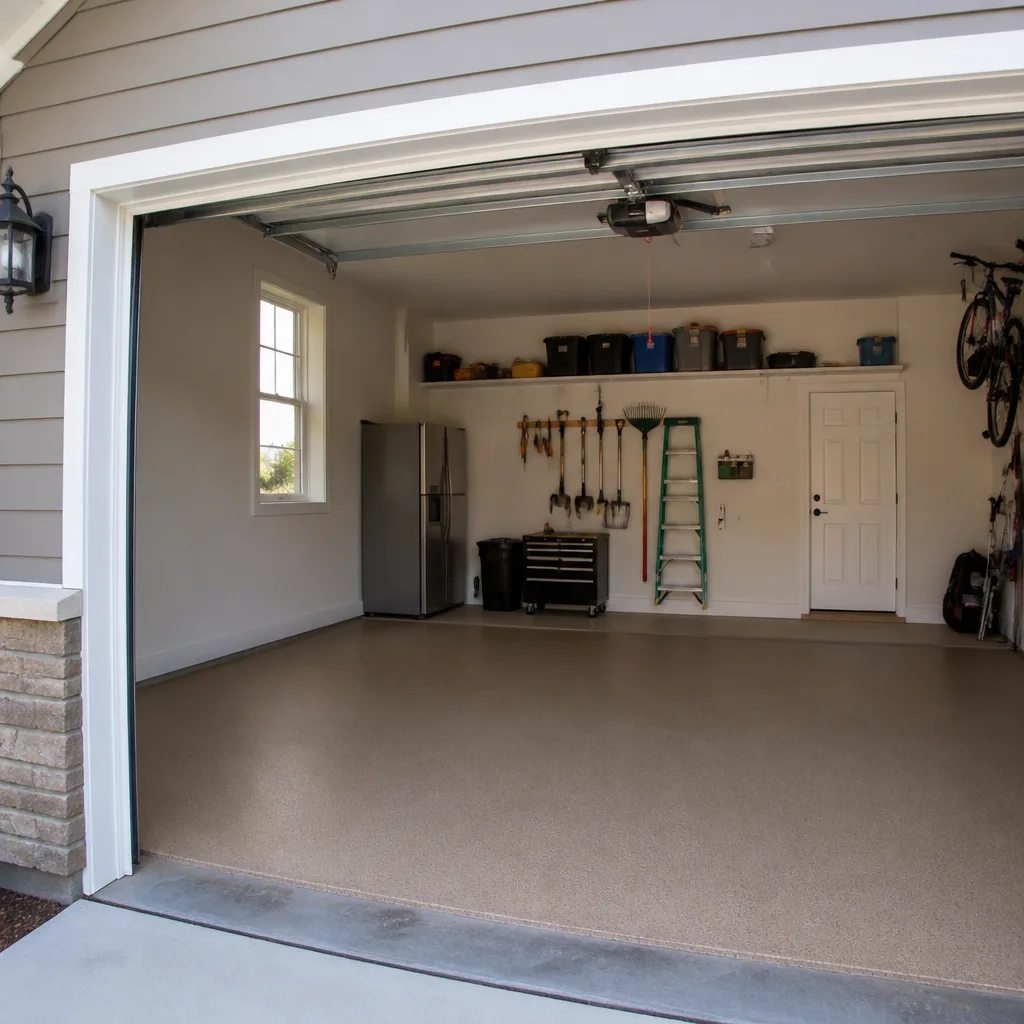 LiftMaster openers
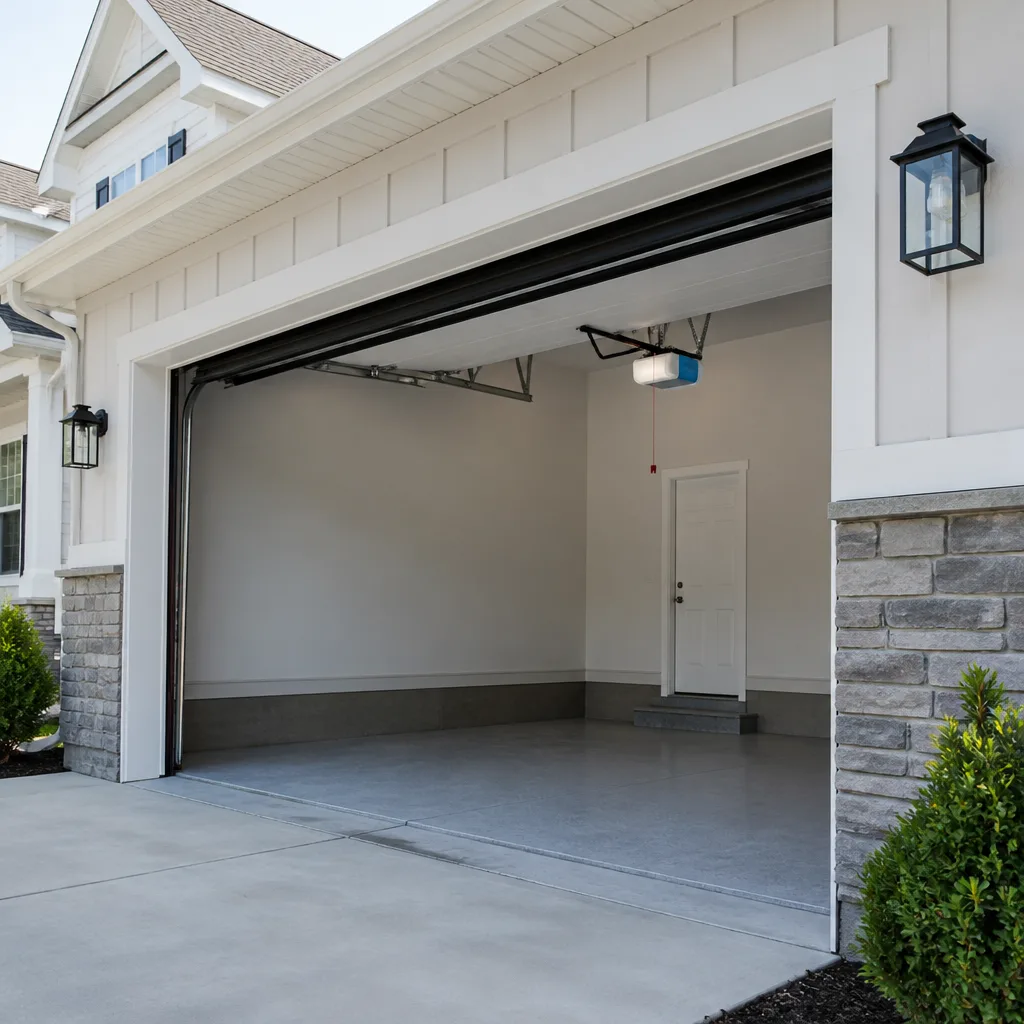 Chamberlain openers
Full 25-point door and opener safety check with every visit - springs, cables, rollers, tracks, and your LiftMaster or Chamberlain opener included
You get a price before we start. It does not change when the pro arrives.
Get your free estimateGarage Door Warning Signs: A The Woodlands Homeowner’s Reference Guide
A snapped torsion spring didn’t snap randomly. It communicated for weeks through vibration, uneven lift, and audible grinding, signals that most homeowners didn’t know to interpret. The same holds for a failing opener, a warped panel, or a cable that’s about to let go. Every garage door failure mode has a warning period, and in The Woodlands’ humid, high-heat environment those signals show up in predictable places: rust patterns, UV-faded panels, compressed weatherstrip, and a motor that’s working harder than it should. This guide decodes what each sound, sight, and behavior actually means in mechanical terms, tells you which signs demand an immediate stop-use call, and separates cosmetic wear from structural danger.
Quick Answer
Garage door warning signs fall into three groups: sounds (grinding, squealing, popping, rattling), visuals (rust, warped panels, sagging sections, frayed cables), and opener behavior (slow response, mid-cycle reversal, uneven travel). Signs that mean stop using the door now include a visible gap in a torsion spring, a snapped or hanging cable, a door that drops fast, and an opener strain or burning smell. Everything else you can typically monitor for about 30 days before it becomes a real repair, but don’t wait for a full failure. In The Woodlands humidity and heat accelerate metal corrosion and panel wear, so early diagnosis is usually the difference between a small repair and a full replacement.
Styles & brands we work with
- Raised-panel steel
- Carriage house
- Modern flush
- Full-view glass
- LiftMaster openers
- Chamberlain openers
Table of Contents
- How Garage Doors Talk: The Three Signal Categories
- The Sound Diagnostic Guide: What Grinding, Squealing, Popping, and Rattling Actually Mean
- Visual Signs Specific to The Woodlands Climate
- Opener Behavior: The Silent Warning Signs
- How to Tell Cosmetic Issues From Structural Ones Without Tools
- Warning Signs That Mean Stop Using the Door Immediately
- Signs You Can Monitor for 30 Days
- Preventive Practices That Actually Prevent Failures
How Garage Doors Talk: The Three Signal Categories
A garage door is a mechanical system with about twenty moving parts, and it sends you three categories of signal when something’s wrong. Learning to sort what you’re hearing and seeing into these three buckets makes diagnosis much faster.
Sounds come from friction, worn bearings, loose hardware, or a spring under changing tension. They’re your earliest warning system, usually showing up weeks before visible damage. In The Woodlands heat, the lubricants on rollers and hinges thin out faster than in cooler climates, so squeals and metal-on-metal grinding tend to appear sooner than homeowners expect.
Visuals show you what’s already happened: rust, warping, panel distortion, sagging, or worn weatherstrip. These are the physical evidence of a problem that’s been developing. In The Woodlands, the humidity combo (muggy winters, high-sweat summers) means moisture condensation on the interior track and hardware is a regular occurrence, and that’s where rust starts.
Behavior is the door or opener acting differently: slow response, mid-cycle reversals, uneven travel, or a door that opens fine but closes hard. These are the most often missed because they aren’t loud and they aren’t obvious. A homeowner might notice their door “feels a little weird” for months without being able to describe why.
What we’ve seen working on doors across The Woodlands is that the failure that gets a homeowner calling (usually a snapped spring or a dead opener) has been preceded by at least two of these three signal types for weeks. Catching any one of them early usually keeps the repair on the smaller side.
The Sound Diagnostic Guide: What Grinding, Squealing, Popping, and Rattling Actually Mean
Each sound maps to a specific mechanical cause. Here’s what we hear and what it tells us.
Grinding
A low, sustained grinding noise as the door travels usually means metal-on-metal contact in the track or at the rollers. Two common causes: dry or worn rollers where the bearing has seized, or a track that’s been knocked out of alignment so the roller rubs against the track wall instead of tracking smoothly. Left alone, grinding accelerates roller wear and puts constant stress on the opener. In a humid climate, a seized roller is often just a rust-seized bearing that could have been lubed to last longer.
Squealing
A high-pitched squeal is usually a lubrication issue at a hinge or a dry torsion spring coil. It’s annoying, but on its own it’s not urgent. What we care about is whether the squeal is steady or pulses with the door’s travel. Steady squeal from one point on the track: alignment or a dry roller. Pulsing squeal: usually a hinge or a spring chirp.
Popping
Popping is the sound that gets our attention. A single sharp pop during travel can mean a cable slipped its drum, a spring coil has shifted, or a hinge plate has bent. Repeating pops as the door closes usually mean the door is hanging up on a track and then dropping past it, which is a safety concern. Popping should prompt a stop-use call, not a wait-and-see.
Rattling
Rattling is loose hardware. Bolts, hinges, and struts that have loosened over time will buzz against the door panel during travel. It’s usually a tightening job, not a replacement. But rattling combined with a door that seems to shift direction mid-cycle can indicate a loosened bracket at the spring shaft, which is more serious. The distinction matters: rattling that comes and goes is loose hardware; rattling that’s gotten steadily louder is a component working itself loose.
Visual Signs Specific to The Woodlands Climate
The Woodlands climate pushes the door in specific ways. Warm humidity, a long hot season, and intense sun exposure on south- and west-facing garages create wear patterns that are different from what a homeowner would see in a dry climate or a cold one.
- Vertical rust streaks below hinges and rollers. These are usually a sign of condensation buildup along the hardware, not just surface rust. In high-humidity months, water condensation on cool hardware drips down the panel and starts eating the paint. If rust appears only below hinges, the hardware is the source; if it appears on panel seams only, the panel paint has failed.
- Panel warping from UV. Steel and aluminum panels expand under direct sun and contract at night, and this differential flex becomes visible as a slightly wavy panel edge, especially on east- and west-facing doors. Once a panel warps, it never returns to true, which means the door runs less smoothly and the weatherstrip might not seal.
- Weatherstrip compression failure. The rubber or vinyl strip along the bottom of the door should compress and rebound when the door closes. In The Woodlands heat, weatherstrip hardens over time and stops rebounding. You can test it by pressing on the strip with a thumb: if it stays compressed, it’s failed and you’ll feel a breeze or see bugs entering along the bottom edge.
- Paint bubbling along seams. This is moisture trapped between the panel and its coating. Left untreated, it progresses to delamination and eventually panel rust-through, especially on lower panels that see more condensation from the slab.
- Sun-facing color fade. West-facing doors pale fastest. There’s no structural problem here, but fading is a useful timer: a door that’s faded noticeably is one that’s absorbed a lot of UV cycles, which also ages the plastic components on the opener.
Opener Behavior: The Silent Warning Signs
Openers fail gradually, and most homeowners notice only when the door won’t move at all. The signals show up in performance long before that. If you notice your garage door opener repair issue manifesting in any of these patterns, we can diagnose it quickly.
- Slow response. The opener should begin travel within a second of the button press. A delay of two or three seconds that wasn’t there before usually means a capacitor aging out, a logic board issue, or the opener working against a door that’s become hard to move. The last one is common: resistance from the door forces the opener to work harder, and the delay is the safety circuit deciding whether to proceed.
- Mid-cycle reversal. The door travels partway and reverses direction. This is either a safety-sensor trip (obstruction, dirty lens, or misalignment) or the opener’s force limit tripping because of a bind in the door. It’s telling you something’s changed, either in the sensor path or in the door’s resistance.
- Inconsistent travel speed. The door should travel at a steady speed. A door that slows noticeably near one end of its travel is usually fighting a track bind or a dry, failing roller. A door that slows in the middle of travel is often an issue with the torsion spring’s balance.
- Strain sound from the opener. A hum or whine from the opener case that’s louder than it used to be, especially as the door starts upward, is the opener telling you it’s working against more resistance than it should. Ignore it long enough and you’ll wear out the opener motor or a gear in the opener head, which is a bigger repair than what caused it.
- Burning smell or unusual heat at the opener case. That’s the opener motor overheating. It means stop using the door and call. Continued use risks fire at the opener, not just failure.
Brands matter here. LiftMaster, Chamberlain, Genie, and Craftsman openers each have different force-limits and travel-adjustment procedures. Amarr and Wayne Dalton doors have their own balance and track requirements. We work on the brand you already have, which means we don’t guess at the settings for the system in your garage.
How to Tell Cosmetic Issues From Structural Ones Without Tools
Most homeowners can sort a cosmetic issue from a structural one with no tools and two minutes of observation. The sorting comes down to one question: does the door’s movement change?
Cosmetic issues don’t affect how the door moves. They include:
- Faded color on sun-facing panels
- Surface rust that rubs off with a thumb (not pitted)
- Minor dents that don’t extend past the panel edge
- Cosmetic dings on the door face
- Weatherstrip that’s hard but still seated in its track
Structural issues change the movement, sound, or alignment. They include:
- Any uneven lift (one side comes up higher than the other)
- Panels that no longer sit flush or level with neighbors
- A door that drops quickly when you release it (a balance issue)
- Rust that has pitted into the panel or eaten a hinge
- Weatherstrip that has separated from the door
- Visible track deformation
- Sagging across the top panel
A simple inspection routine helps. With the door fully closed and the opener disengaged (if you’re comfortable doing that, as most openers have a manual release), feel along the bottom edge. It should be even. Look down the track from the end: the two tracks should be parallel and level. Stand back six feet and check that the door’s leading edge is a straight line. Any deviation from these three checks points to a structural issue that warrants a technician’s look at your garage door repair before it gets worse.
For structural findings, don’t try to realign track or adjust spring tension yourself. Torsion springs and the cables run through them are under enough tension to cause serious injury if handled incorrectly, which is why spring repair is a trained-professional job.
Warning Signs That Mean Stop Using the Door Immediately
Some signs are “stop and call now.” Here’s the list we give homeowners.
- A visible gap in a torsion spring. If you look at the spring above your door and see a gap in the coil, the spring has snapped. Using the door with a snapped spring can warp the door, damage the opener, or drop the door unexpectedly. Stop use.
- A broken or hanging cable. Garage door cables are under the same tension as the springs. A frayed cable or one that’s visibly loose from its drum is a stop-use condition.
- A door that drops fast when released. If you disengage the opener and the door falls rather than holding, the door is out of balance. It’s dangerous to be under.
- A grinding or popping sound that’s new and sudden. Sharp new grinding usually means a component has failed or shifted. Sudden popping can mean a cable jumped its drum.
- Opener overheating, burning smell, or evidence of scorch at the opener case. Stop use, and don’t try a reset cycle.
- A door that travels unevenly with one side noticeably higher. Traveling unevenly with the door under load can bend a panel or a track. Stop use.
Each of these can escalate from a controlled repair into a full replacement. If you’re not sure, call and describe what you’re seeing. We’d rather talk through a stop-use question on the phone than have a homeowner try one more cycle to “see if it self-corrects.”
Signs You Can Monitor for 30 Days
These signs aren’t emergencies, and you have some time. But “monitor for 30 days” means exactly that: make the call within a month, and sooner if any of them worsens.
- Intermittent rattling from a specific hinge or roller. Usually a tightening job. If it gets louder over the monitoring period, don’t wait the full 30 days.
- A slow, mild squeal. Often a lube issue you can solve with a proper garage door lubricant (not WD-40, and not something that attracts dust).
- Faded paint or surface rust that rubs off. Cosmetic. Schedule a cleaning and repaint, and if rust returns quickly in the same spot, the hardware is the source.
- Hard weatherstrip at the bottom edge. Not urgent unless you’re seeing water or bugs entering. Replacement is a small job.
- A slightly sticky opener response in cold months. In The Woodlands, “cold” is mild, so if your opener gets a little sluggish, it’s often the opener’s battery or a light obstruction in the track.
- A door that’s started traveling a bit unevenly but not enough to think about it. Have a technician check the balance. Catching uneven travel early usually avoids a spring pair replacement down the road.
What separates “monitor” from “stop use” is this: monitor signs don’t risk causing new damage to the door or the opener if a cycle fails. Stop-use signs do.
Preventive Practices That Actually Prevent Failures
A few simple maintenance steps a homeowner can do safely (no spring adjustment, no track realignment, no motor work) go a long way toward extending door and opener life in The Woodlands climate.
- Lubricate moving hardware twice a year. Rollers, hinges, and the torsion bar bearings get a purpose-made garage door lubricant. Not grease, not penetrating oil, which attract dust and accelerate wear.
- Check the weatherstrip quarterly. Press a thumb into the bottom seal. If it stays compressed, plan the replacement.
- Wipe down the track interior. Dirt and pollen build up in the track and cause grinding. A dry rag along the track interior in spring and fall.
- Test the balance once a year. With the opener disengaged, lift the door halfway. It should stay put. If it falls or drops, it’s out of balance and needs a technician.
- Check the safety sensors. The two little photo-eyes near the floor need a clear line of sight to each other. Clean them, and test by passing a foot through the path when the door is closing.
- Watch the sun-facing panels. The west- or south-facing panel of a door in The Woodlands gets more UV than any other. Checking those panels for bubbling paint first is a good early indicator of where to coat first.
If you’re thinking about replacing rather than repairing, or you’re weighing a full replacement against a series of smaller fixes, our guide on garage door installation covers the decision points, materials, and what to expect from the process.
Common Mistakes to Avoid
- Ignoring a slow squeal because it’s “just noise.” A squeal that stays steady for months wears a needle bearing down, and once the bearing fails you’re replacing a roller, not lubing it. Catch it in the first six weeks.
- Using WD-40 as a garage door lubricant. It’s the most common cause of premature roller wear we run into. It strips the original lubricant and attracts dust. Use a garage door-specific lube.
- Adjusting the force or travel limits blindly. If your opener is reversing mid-cycle, increasing the force limit is the wrong answer. It masks the binding issue and eventually burns the opener. On LiftMaster, Chamberlain, Genie, Craftsman, and Raynor, the force limits are set carefully, and blindly resetting them can mask a bigger problem. Diagnose the cause first.
- Continuing to use the door on a snapped spring. Homeowners sometimes think “it still works, it’s just harder to lift.” That extra opener strain is what kills the opener next. Stop use and get it replaced as a pair if both springs are the same age.
- Painting over rust without addressing the source. In The Woodlands humidity, rust comes back in the same spot within a season if the underlying hardware is still trapping moisture.
- Believing the door is “fine” because the opener runs. The door and the opener are separate systems that wear at different rates. A working opener running against a failing door is the setup that produces the biggest repairs.
- Skipping the balance test because nothing’s “broken yet.” Out-of-balance travel is the earliest warning of a spring or cable about to give. Test once a year, minimum.
Some doors from Amarr and Wayne Dalton, and openers from Chamberlain and Craftsman, use brand-specific components that are best sourced directly to avoid a temporary fix that fails in the next season. That’s why we stock and supply parts as a standalone service, so the fix isn’t held up by a parts order.
See the difference
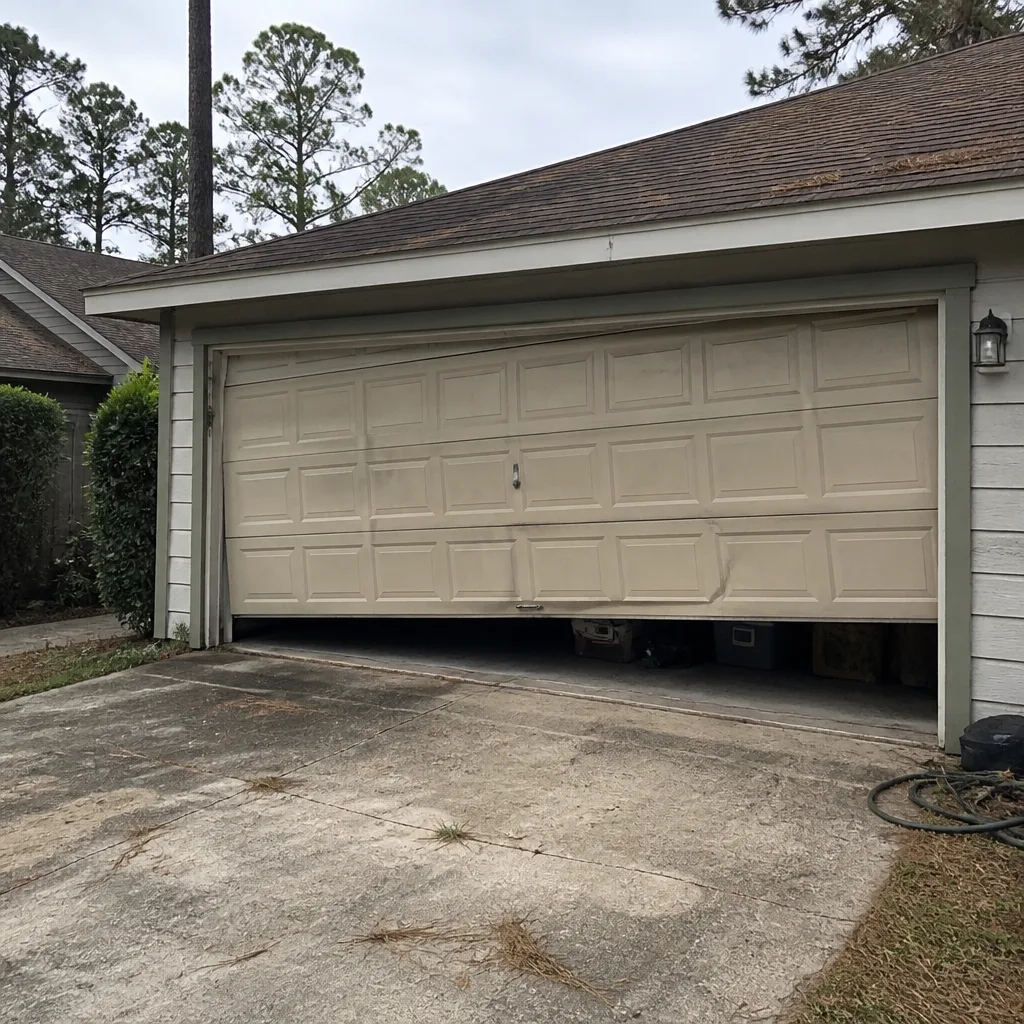 Before
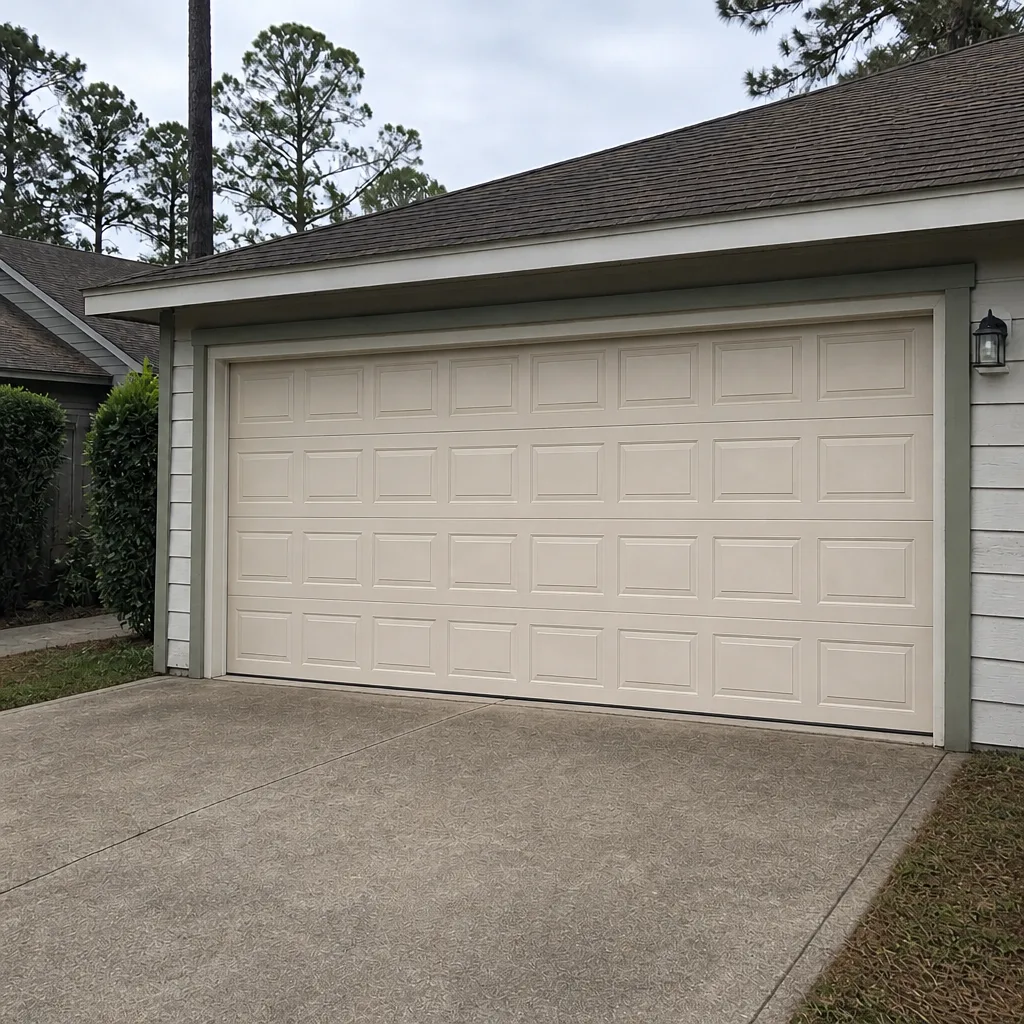 After
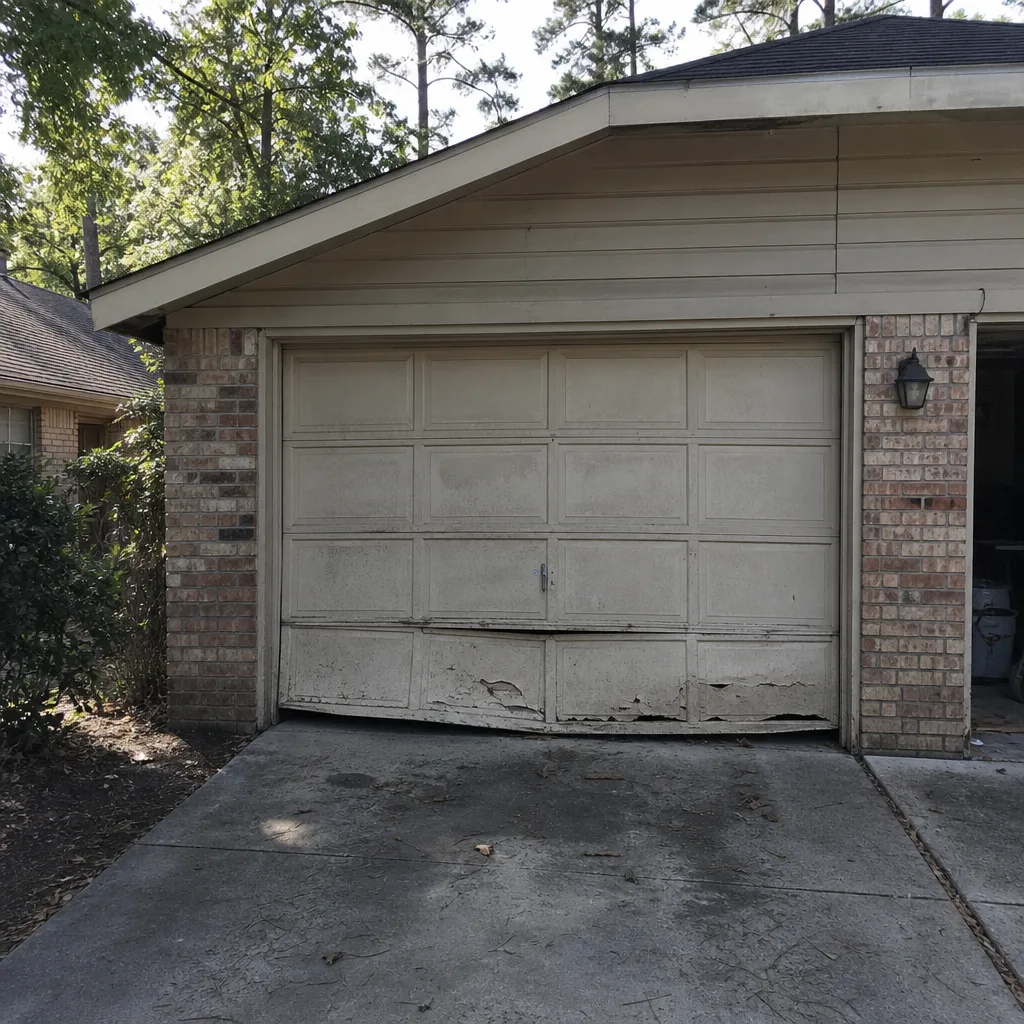 Before
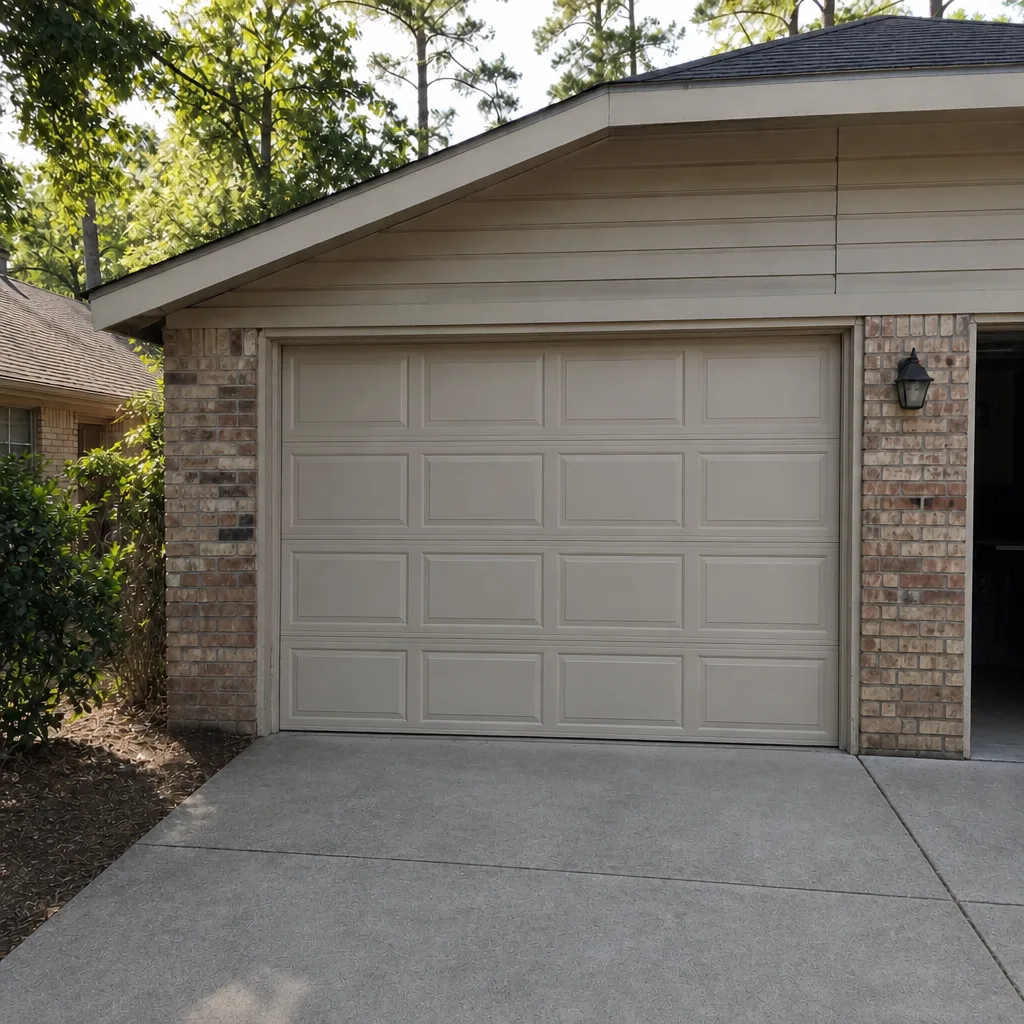 After
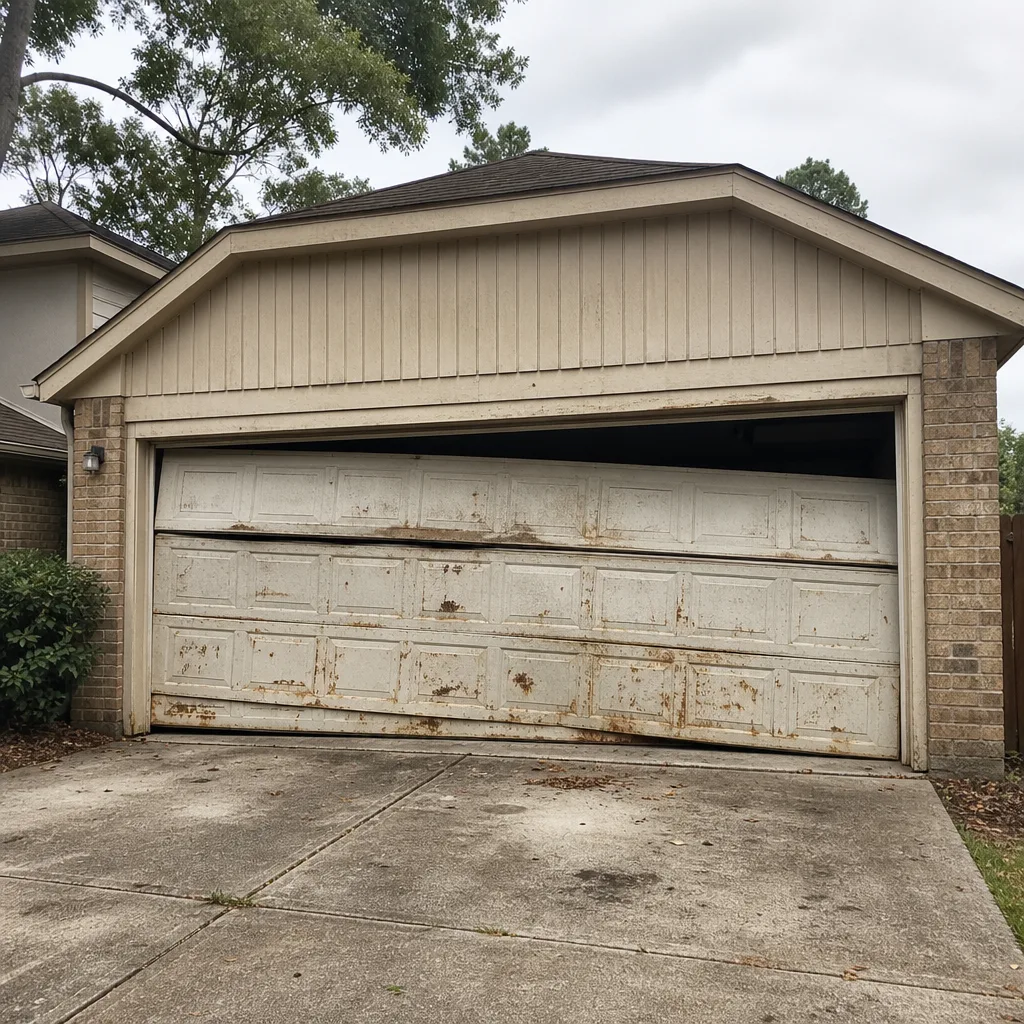 Before
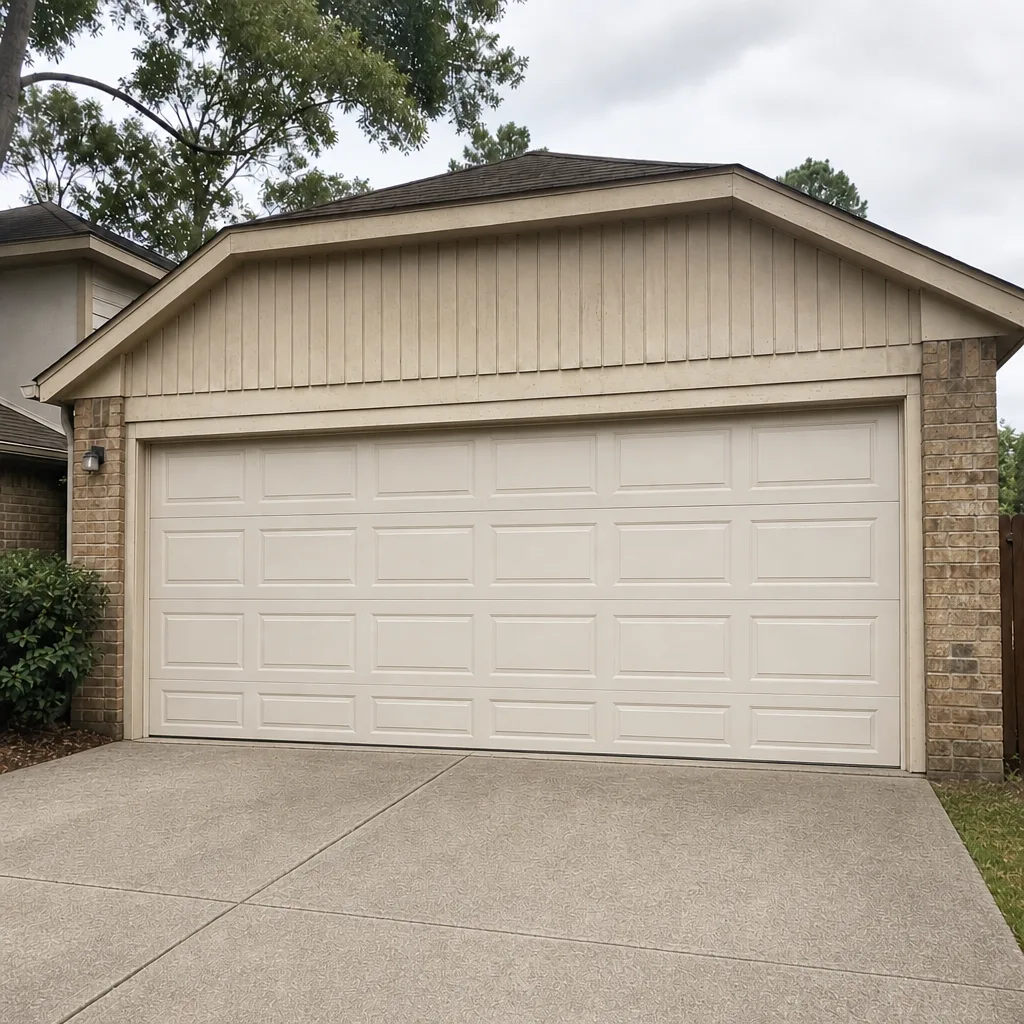 After
When to Call a Professional
Call a professional garage door technician in The Woodlands if any of the following are true: you’ve seen a visible gap in the torsion spring; a cable is snapped, frayed, or hanging; the door drops fast when released; you hear new grinding or popping; the opener reverses mid-cycle and won’t stay closed; the opener smells hot or won’t respond; the door travels unevenly with one side higher; or your safety sensors won’t stay aligned after cleaning. Outside of a few minutes of cleaning and lubrication, the mechanical components above the door (springs, cables, torsion bar) and inside the opener (motor, gear, logic board) are the parts that cause injury or escalate to a replacement when handled DIY. For those, we send a technician; the work is what we do. The Woodlands Garage Door Repair Pros offers free estimates in The Woodlands and we can talk through your findings on the phone if you’re not sure whether a sign is “monitor” or “stop use.” Call (866) 748-8990.
Our technicians have up to 8 years of experience, and we work on all eight of the main brands our customers already have in their garages: LiftMaster, Chamberlain, Genie, Clopay, Amarr, Wayne Dalton, Craftsman, and Raynor. If you’ve got a part you need for a repair you’re doing yourself, we supply parts as a standalone service too.
Frequently Asked Questions
The first signs usually show up as sound or behavior changes before anything visible breaks. A steady new squeal from a hinge or roller, a slow response from the opener, or a door that’s started traveling slightly unevenly are the most common early warnings. In The Woodlands humidity, surface rust along the hardware is also a useful early indicator that parts are aging faster than they should. If you notice any of these, call (866) 748-8990 and describe them; a phone conversation usually tells us what the likely cause is before we arrive.
If the sound is new grinding, popping, or a loud strain from the opener, stop using the door and get it looked at. If it’s a mild squeal or a low-volume rattle that isn’t changing the door’s movement, it’s usually safe to monitor for up to 30 days. The line is whether a single failed cycle risks causing new damage; if it does, stop-use. Call us if you’re not sure which side of the line you’re on.
We give written estimates per job based on what we find; the written estimate sets the price and is agreed before any work starts. A torsion spring replacement is typically priced per spring, and if you have a matched pair we usually replace both together, so a pair costs about what two single-spring repairs would. Call (866) 748-8990 for a free estimate. Estimates are free.
No. We quote from what we find on-site and agree on the price with you before any work starts. The written estimate is the price. If the technician finds something during the job that changes the scope (a track issue that wasn’t visible before disassembly, for example), we stop and re-quote before continuing. Call (866) 748-8990 for an estimate.
Rattling that stays at the same volume is usually a tightening job on a hinge, bolt, or strut. Rattling that’s getting progressively louder, or that’s paired with the door shifting direction mid-cycle, points to a loosened bracket at the spring shaft or a track problem, which is more serious. Call (866) 748-8990 and describe the rattle, whether it’s steady or changing, and where on the door it starts.
Yes. The local technicians we connect you with are licensed and insured as their state requires, and our team works on garage doors only, which means every tool and every stocked part is purpose-built for one system.
Humidity accelerates corrosion on hardware and warps panels less than UV does, but the humidity’s real effect is on weatherstrip and condensation on the track. In high-humidity months we see rust starting around hinges and roller brackets faster than in a dry climate, which is a reminder to lube hardware twice a year. West- and south-facing panels age the fastest from sun; hardware ages the fastest from condensation. If you see rust below your hinges that keeps returning after painting, the hardware is the source. Call (866) 748-8990 to talk about it.
The Bottom Line
A garage door almost never fails without warning. It signals through sound, sight, and behavior well before it stops working, and knowing which signals are “monitor” and which are “stop now” is what keeps a small repair from turning into a big one. In The Woodlands, add local wear patterns to the list: rust streaks below hardware, panels warped by UV, and weatherstrip compressed flat by the heat. If any of the stop-use signs apply to your door, don’t run another cycle to check. Call The Woodlands Garage Door Repair Pros at (866) 748-8990 for a free estimate. Our technicians have up to 8 years of experience, garage doors are all we do, and we work on the brand you already have, from LiftMaster and Chamberlain openers to Clopay, Amarr, Wayne Dalton, Craftsman, Raynor, and Genie doors and openers.
For a broader look at our full-service approach, see The Woodlands Garage Door Repair Pros. For parts and component sourcing, ask about our standalone parts supply. For everything from a lube and tune to a full replacement, the first step is the same: call (866) 748-8990.
Written by the team at The Woodlands Garage Door Repair Pros.