Last updated November 21, 2026
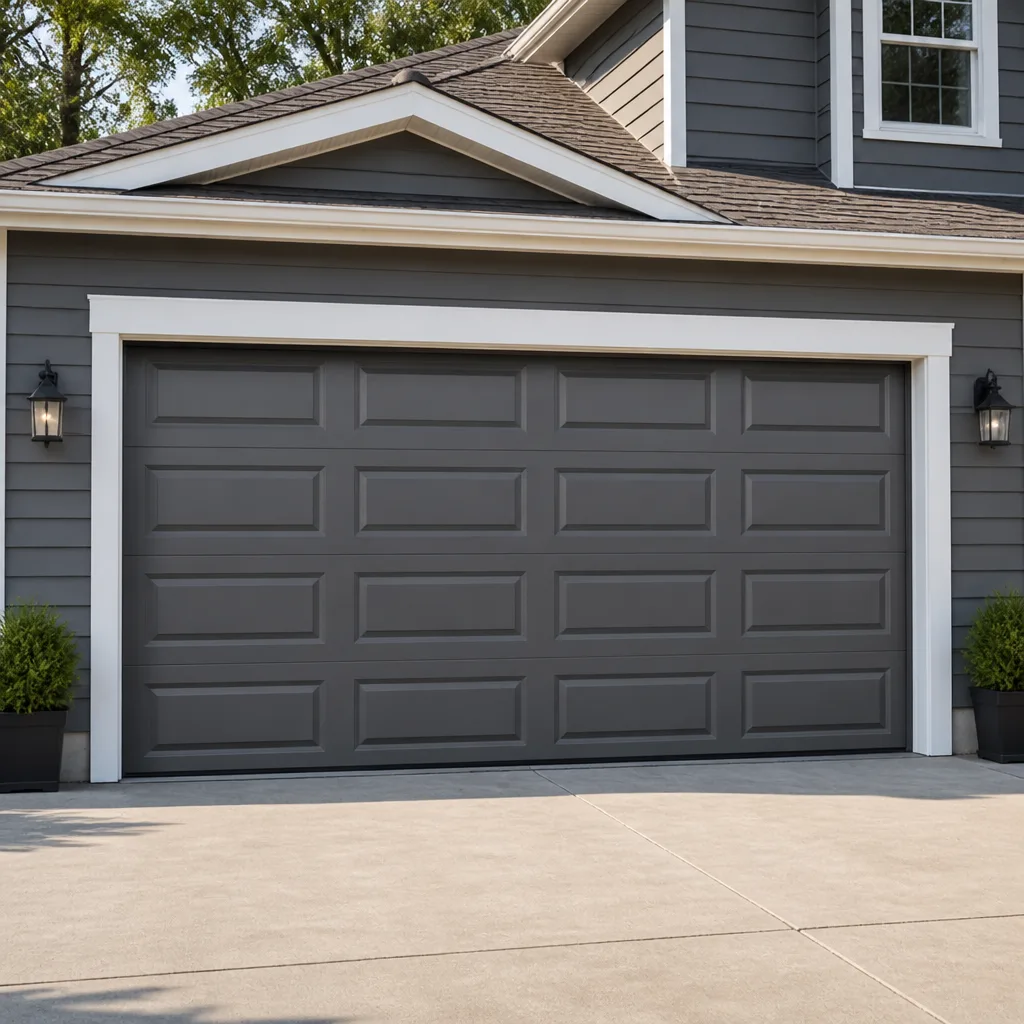 Raised-panel steel
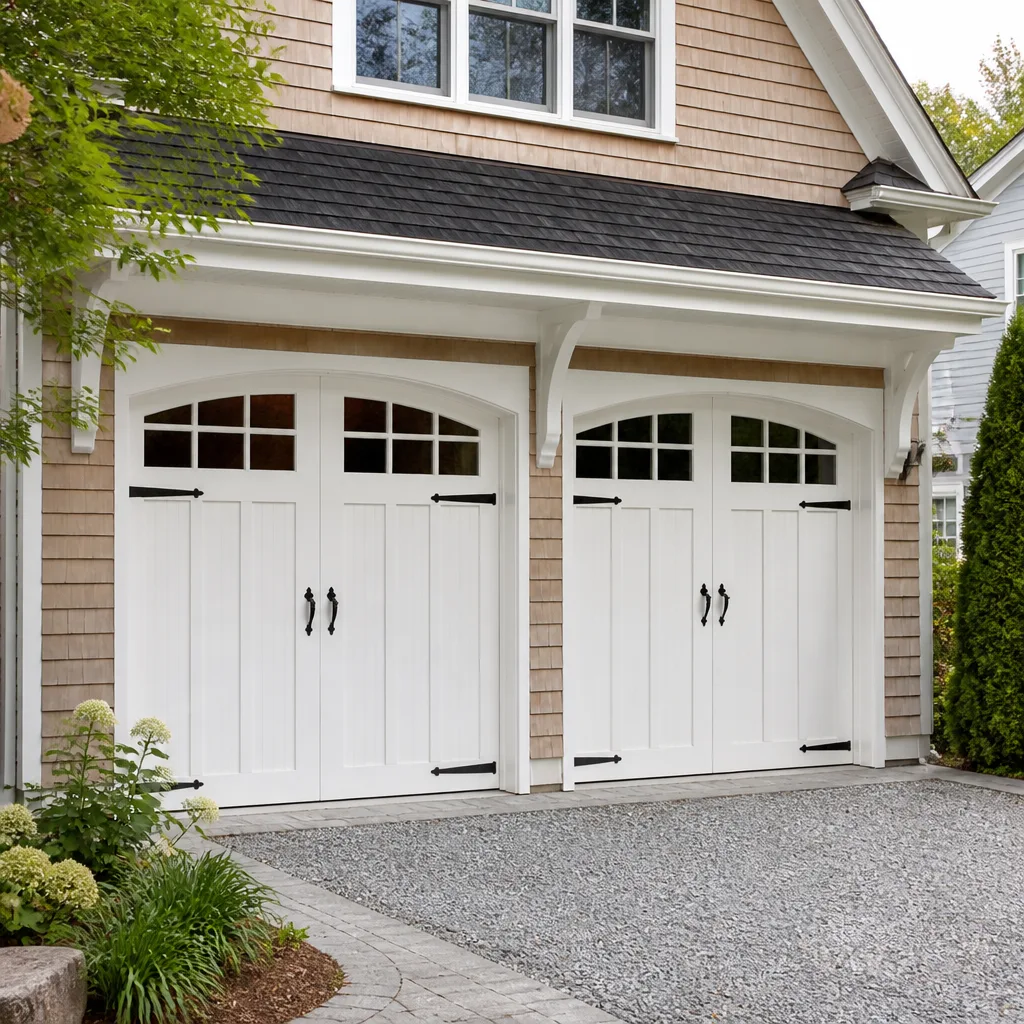 Carriage house
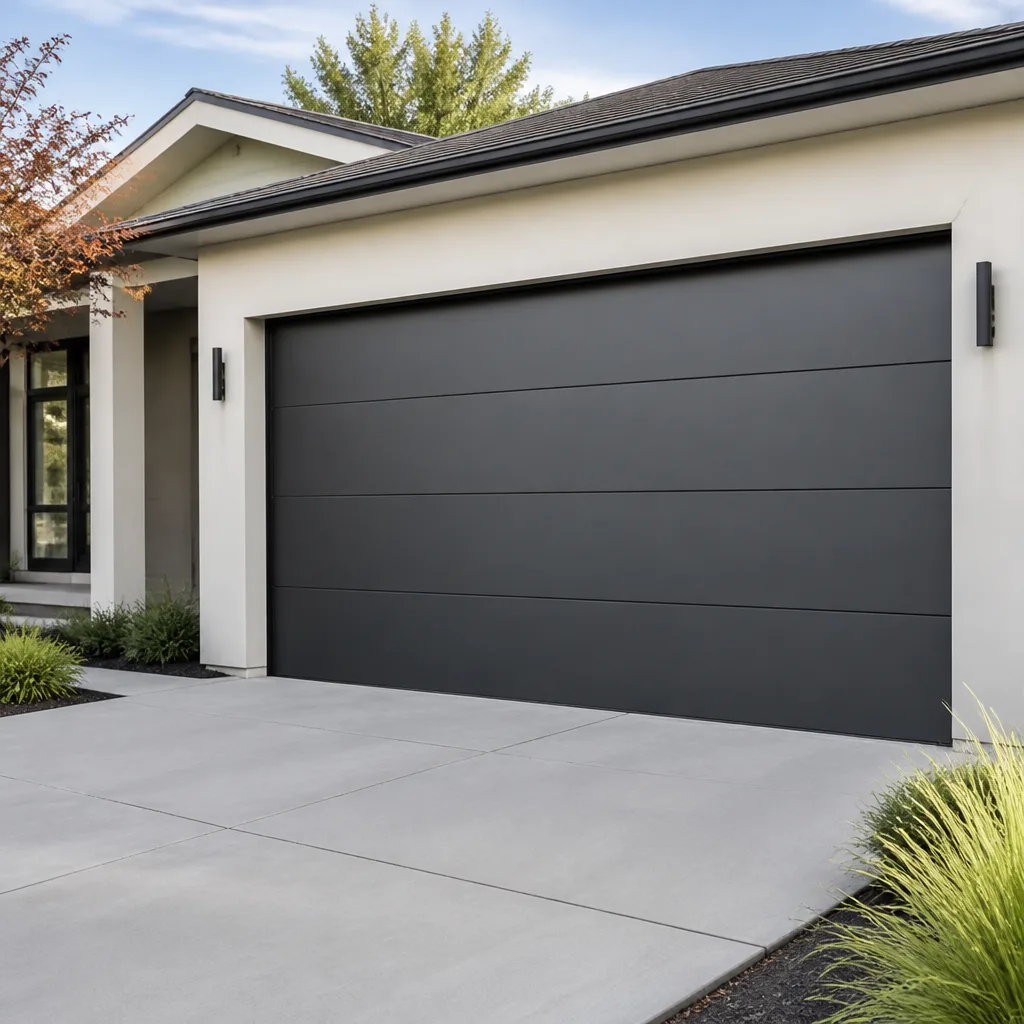 Modern flush
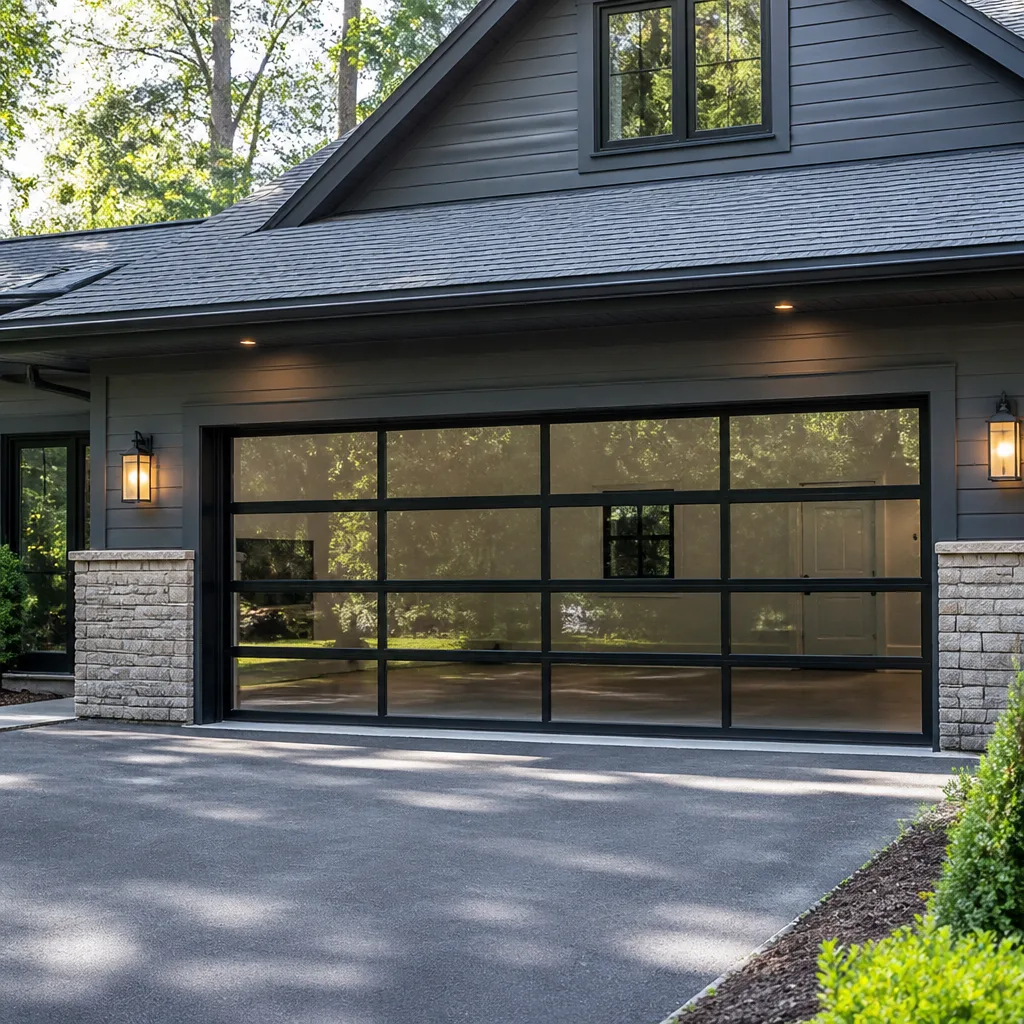 Full-view glass
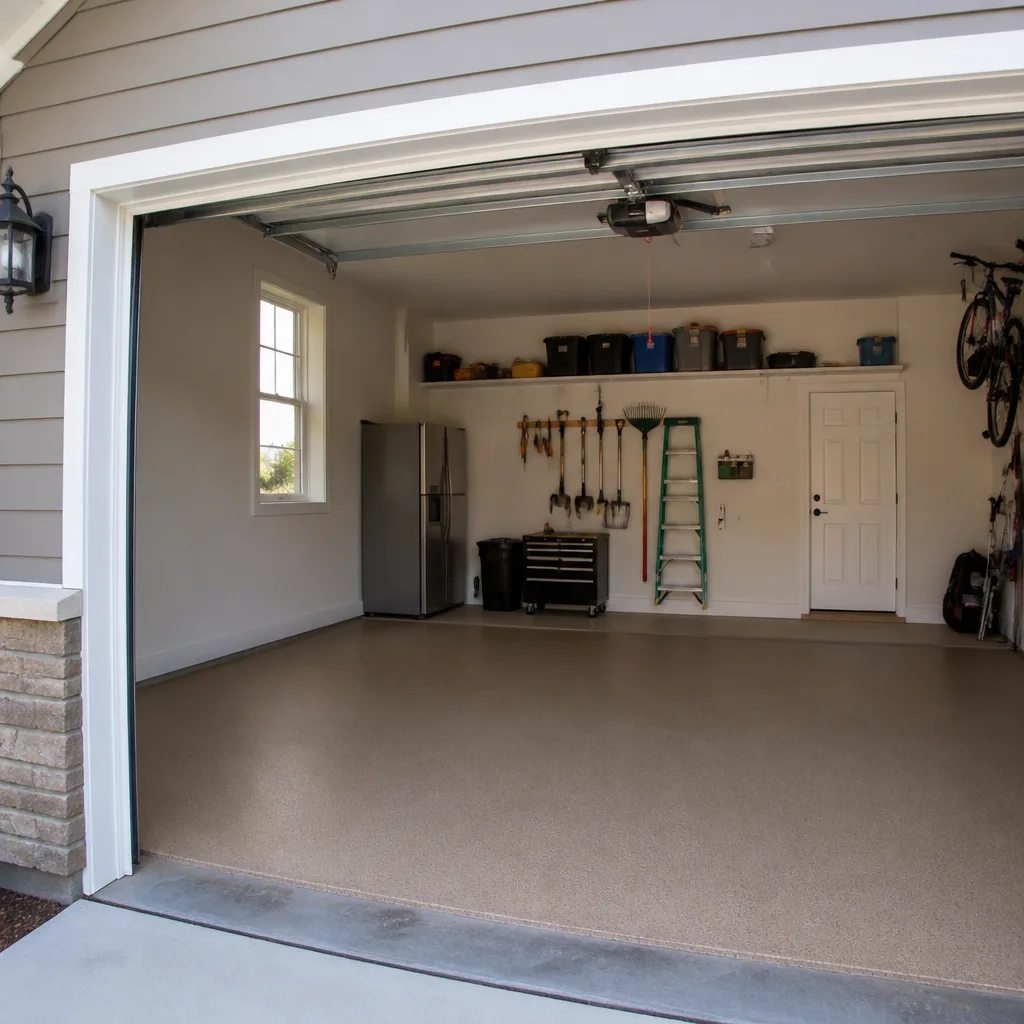 LiftMaster openers
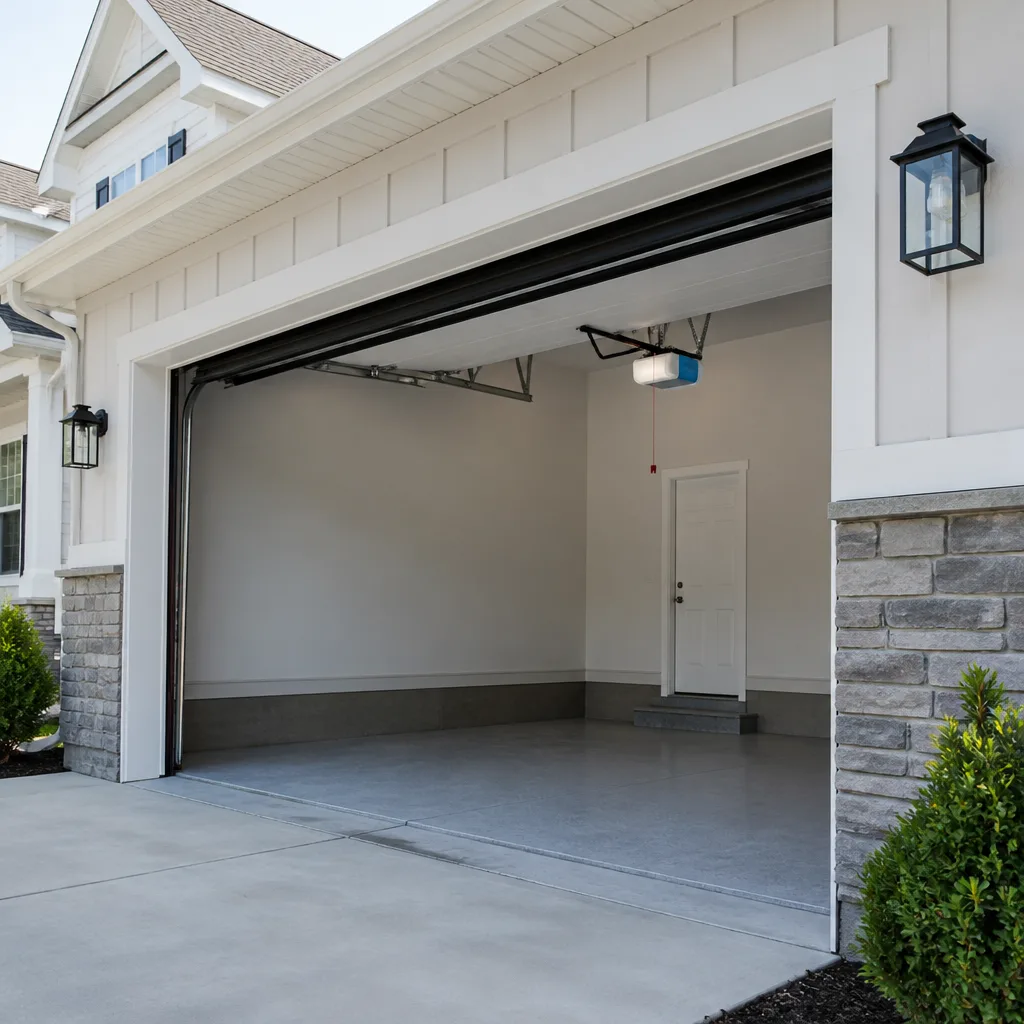 Chamberlain openers
Full 25-point door and opener safety check with every visit - springs, cables, rollers, tracks, and your LiftMaster or Chamberlain opener included
You get a price before we start. It does not change when the pro arrives.
Get your free estimateDIY vs Professional Garage Door: The Woodlands Homeowner’s Decision Guide
Most garage door advice online draws the DIY line in the wrong place. It frames everything as a skill question, as if a confident homeowner with a Saturday and a YouTube tab can tackle anything the pros do. That’s not how we think about it. The real dividing line is injury risk and warranty exposure. Torsion springs hold hundreds of pounds of stored energy, and a spring that lets go has put people in the emergency room. That’s not a scare tactic. It’s the reason spring work is the one task on this list where DIY is always the wrong answer, no matter how handy you are. This guide draws the line task by task for The Woodlands homeowners, so you know what’s genuinely yours to handle and what to hand off before something goes wrong.
Styles & brands we work with
- Raised-panel steel
- Carriage house
- Modern flush
- Full-view glass
- LiftMaster openers
- Chamberlain openers
Quick Answer
In The Woodlands, lubrication, sensor alignment, track wiping and balance checks are safe DIY work, while torsion spring replacement, cable work and any repair that involves high-tension components should always go to a trained professional. Everything else sits in a middle zone where judgment matters more than muscle: opener programming, roller swaps and bottom seal replacement are doable if you’re methodical, but a misstep can void a manufacturer warranty or leave a heavy door hanging on a single point of failure. When in doubt, the professional route costs less than a correction call.
Table of Contents
- Where the DIY Line Actually Falls
- Tasks That Are Genuinely Homeowner-Appropriate
- The Jobs You Should Never DIY (and Why)
- How Manufacturer Warranties Treat Homeowner Repairs
- The Real Cost Comparison: Parts, Labor and Correction Calls
- HOA and Village Rules in The Woodlands
- The Middle Path: Prepping and Cleaning Up Around Professional Work
- Common Mistakes to Avoid
- When to Call a Professional
- Frequently Asked Questions
Where the DIY Line Actually Falls
The garage door is the largest moving object in a home, and every part of it is under load. That single fact should shape your decision on every repair. A door that opens smoothly is balancing spring tension against door weight through a system of cables, drums, rollers and hinges. Change one part without understanding the whole, and the system either binds, sags or lets go.
We think about it in three tiers. Tier one is maintenance: lubrication, sensor checks, track cleaning, balance tests. Tier two is component swaps that don’t touch stored energy: rollers, hinges, bottom seals, opener programming, light bulbs. Tier three is anything that handles the spring, cable or drum system. Those belong to a trained technician, full stop. A Woodlands homeowner can comfortably live in tiers one and two and should never cross into tier three.
The reason tier three is off-limits isn’t that homeowners are careless. It’s physics. A torsion spring on a standard residential door can store enough energy to throw a winding bar across a garage. Every technician who works on springs knows someone who’s been hurt doing it wrong, and that’s why the trade treats it as its own specialty rather than a general repair job.
Tasks That Are Genuinely Homeowner-Appropriate
Plenty of garage door upkeep is safe and even satisfying to handle yourself. These tasks protect the door, extend the life of the opener and don’t involve stored energy or high-tension parts.
- Lubrication. A light application on rollers, hinges and the torsion bar bearings (not the tracks) keeps the door quiet and slows wear. Use a garage-door-specific lubricant, not WD-40.
- Safety sensor alignment. If the door reverses unexpectedly, check that the two sensors at the bottom of the tracks are facing each other and the indicator lights on each are steady.
- Track wiping. Dust and grit build up in The Woodlands humidity, especially during summer. Wipe the inside of the vertical and horizontal tracks with a dry cloth. Don’t spray them with lubricant, which attracts more dust.
- Balance check. Disconnect the opener and lift the door halfway by hand. A balanced door should stay put. If it drifts down, that’s a spring tension signal, and it’s time to call.
- Weather seal inspection. Look at the bottom rubber and the perimeter seal and replace anything cracked or flattened. This is a low-cost, high-impact job that keeps heat and pests out.
- Opener light bulbs and battery swaps. Safe and quick, with the power off at the wall.
None of these require more than a screwdriver, a cloth and a few minutes. If you keep up with this list, you’ll catch small problems long before they turn into a broken door or a dead opener. That’s the best thing you can do for your garage door, and you don’t need us for any of it.
The Jobs You Should Never DIY (and Why)
Torsion springs, extension springs, cables, drums and anything that touches the counterbalance system belong to a trained professional. There is no version of this work that’s safe for an untrained homeowner, and the trade treats it accordingly. We offer spring work as its own dedicated service because it’s a different discipline from routine repair, not a continuation of it.
Here’s the safe way to think about what you’re looking at, not how to do it yourself:
- Torsion springs. Mounted on a shaft above the door, under tension that has to be released in a controlled way with the right winding bars and door position. A bar slipping out of a winding cone is the most common way homeowners get seriously hurt.
- Extension springs. Mounted above the horizontal tracks, and while they look simpler, a snapped spring or a disconnected safety cable can whip back with force.
- Cables. Under tension from the spring system, and a cable that comes off a drum while tension is on can cut.
- Drums and bearing plates. These hold the cables in place and require the spring to be unwound before anything moves.
- Panel and section replacement on a loaded door. New panels change the door’s weight, and a door with uneven weight distribution will wear out springs faster or throw the opener off its travel limits.
If your door is stuck open, one side hangs low, or you hear a loud bang from the garage followed by the door not lifting, that’s spring territory. Don’t try to open it manually and don’t cycle the opener hoping it resets. Call us at (866) 748-8990 and we’ll talk you through what to do while a technician heads out. That call costs you nothing and might keep you out of the emergency room.
How Manufacturer Warranties Treat Homeowner Repairs
Manufacturers like Chamberlain, Genie, Clopay and Amarr publish warranty terms that typically cover defects in materials and workmanship, not damage from improper installation or unauthorized repair. In plain terms, if a homeowner removes a component, reinstalls it wrong, and the door or opener fails as a result, the manufacturer can decline to honor the warranty on that part. The rest of the door’s coverage usually survives, but the failed part won’t be replaced under warranty.
This matters most with three categories of work:
- Opener replacement and head unit swaps. Mounting hardware, force limits and travel settings all need to be within spec. Cut corners and a jammed door can burn out the motor, which manufacturers treat as installation damage rather than a defect.
- Spring replacement. Springs carry their own manufacturer warranty, and a spring installed with the wrong tension, wrong cycle rating, or on a mismatched drum will fail early. The spring maker will often decline coverage if the failure looks installation-related.
- Panel and section swaps. Matching a replacement panel to an existing door from Clopay or Amarr means matching color, gauge and profile. An unmatched panel changes door weight, which loads the springs unevenly and can shorten the whole system’s life.
We work on the brand you already have, and we know how each of the eight major lines handles warranty claims. When we do the work, the installation matches the manufacturer’s spec so the warranty holds. That’s not a sales line, it’s a practical reason to have a specialist handle the tier-three jobs: the warranty either survives the repair or it doesn’t, and the difference is often invisible until something fails.
One more nuance: most manufacturers require proof of purchase and a record of who did the work when you file a warranty claim. Keeping a plain folder of receipts, model numbers and service dates saves you a headache if you ever need to call a claim in. We hand every customer the part numbers and service notes from their job for exactly that reason.
The Real Cost Comparison: Parts, Labor and Correction Calls
The honest cost comparison between DIY and professional garage door work isn’t parts versus labor. It’s parts plus tools plus time plus the odds of a correction call, weighed against a quoted job price. For anything in the safe zone, DIY wins on cost. For anything in the spring or opener zone, DIY usually loses once you account for the full picture.
| Task | DIY Reality | Professional Reality |
|---|---|---|
| Lubrication and sensor check | Under $20 in supplies, 15 minutes | Covered in any routine service visit |
| Bottom seal replacement | $30-$60 in parts, 30 minutes | $90-$180 installed, estimate confirmed upfront |
| Roller and hinge swap | $40-$80 in parts, an hour | $120-$260 installed |
| Opener replacement | Unit cost plus wiring, mounting and travel settings | Quoted per job, includes removal, install and code setup |
| Torsion spring replacement | Not recommended, no safe homeowner path | Usually $180-$340 for one spring; a matched pair costs about twice that |
| Cable and drum repair | Not recommended, high injury risk | Quoted per job after inspection |
The ranges above are typical estimates, and the written quote is what sets the final price. What the table can’t show is the correction cost. A homeowner who replaces an opener head unit but mis-sets the travel limits burns through the new unit’s gears in a few months and ends up paying for the second unit anyway. A homeowner who attempts a spring and gets the tension wrong warps a panel that had been fine. When those calls come in, the repair often costs more than doing it right the first time would have.
The tool question matters too. Torsion spring work needs winding bars, a door-specific set of hand tools, and a safe way to hold the door in place. Buying those tools for one job costs more than a technician visit, and you’d never use them again. That’s a hidden cost the DIY savings calculation usually ignores.
HOA and Village Rules in The Woodlands
The Woodlands is organized into villages, each with its own HOA covenants, and many of those covenants treat visible exterior changes as something the homeowner has to get approved first. A garage door replacement almost always counts. That includes matching a new door to the neighborhood’s approved color and style, submitting an architectural request before installation, and using a licensed contractor for the work.
What this means practically for a homeowner considering a DIY door replacement:
- Check your village’s covenant first. Different villages have different rules about door style, window panels and color. If you order a door before checking, you may end up eating the return shipping.
- Some villages require a licensed contractor for visible exterior work, and door replacements fall in that category. Our technicians work with the vetted local professionals who handle the door work and can give you the paperwork your HOA needs.
- Permits may apply. Most cities require a permit for structural changes to a garage door opening, and The Woodlands is no exception. Ask your village HOA and the city building department what applies to your specific address before you schedule the work.
Repairs are generally lighter on HOA approval than replacements, but replacements and full garage door installation almost always need pre-approval. If your door failed and you’re deciding between a patch and a replacement, factoring the HOA timeline in early saves a lot of backtracking later.
The Middle Path: Prepping and Cleaning Up Around Professional Work
There’s a third path most homeowners never think of, and it saves real money. You can do the prep and cleanup around a professional visit, reducing billable time on the technical work without touching anything risky.
- Clear the garage floor. A clear 10-foot perimeter around the door lets the technician work without moving boxes, and it’s the first thing they’d otherwise bill time for.
- Photograph the door and opener beforehand. A few wide shots of the door, the springs and the opener head unit help the technician pre-diagnose over the phone and arrive with the right part.
- Identify the model numbers. The opener head unit usually has a sticker with the model and manufacture date. Snapping a photo of that sticker before the call saves a second visit when the parts truck needs the exact number.
- Have the HOA paperwork ready if it’s a replacement. If the door is going to be replaced, the approval and permit information should be on hand before the technician measures, so the order can go in cleanly.
- Handle haul-away yourself if you want. Some homeowners prefer to dispose of the old door or opener themselves. Ask when you book.
What you should not do is disassemble anything in advance. Pulling off a hinge or loosening a bracket before a technician arrives can turn a straightforward garage door repair into a re-rigging job. Leave the disassembly to them and take the easy wins instead.
Common Mistakes to Avoid
- Buying a replacement spring at a big-box store without the right cycle rating. The Woodlands summers are hot and humid enough that the door cycles more than you’d expect, and the wrong cycle rating shortens spring life. Match the part to your door, not to the cheapest box on the shelf.
- Lubricating the tracks. This is the single most common DIY error we see. Tracks should stay dry. Lubricant on the track collects grit from The Woodlands air and clogs the rollers.
- Assuming the opener is the problem when it’s the door. A strained opener is often a symptom of worn springs or binding tracks. Replacing the opener without fixing the underlying issue burns through the new unit. Our garage door opener repair visits start with a door balance check for that reason.
- Adjusting the force limits on the opener to force a heavy door up. That overrides the safety mechanism. On a door with a failing spring, the opener can strip its gears or, worse, push through the safety reverse and trap something underneath.
- Ordering a replacement door before HOA approval. Some The Woodlands villages take a few weeks to review an architectural request. Ordering first and asking forgiveness later is a fast track to a return fee.
- Using mismatched panels to save money. Even a small mismatch in gauge or profile loads the springs unevenly and can shorten the whole system’s life. This is where brand knowledge matters. Clopay and Amarr do publish compatible panel numbers, but the match has to be exact.
- Hiring a general handyman for spring work. Garage doors are all we do, and that specialization matters most on the tier-three jobs. A generalist who’s never wound a torsion spring is not the person you want on the ladder.
When to Call a Professional
Call a professional if the door won’t lift, one side hangs low, you hear a bang from the garage, the door reverses without an obvious obstruction, or the opener strains to move a door that used to glide. Those symptoms all point to spring, cable or track issues that belong to someone trained to handle stored energy. Call us too if you’re planning a full door replacement, since The Woodlands HOA and permit rules make the measure, order and install process smoother through a specialist who’s done it locally. The Woodlands Garage Door Repair Pros offers free estimates in The Woodlands at (866) 748-8990, and the price is quoted and agreed before any work starts. Our technicians have up to 8 years of experience, and we work on the brand you already have.
Frequently Asked Questions
It’s cheaper to handle lubrication, sensor alignment, track wiping and seal inspections yourself, since those are safe, low-cost tasks. For spring, cable and opener work, the professional route usually costs less once you factor in tools, time and the cost of a correction call when a DIY repair goes wrong. A spring repair typically runs $180-$340 for one spring, and a matched pair is about twice that, which is often less than the repair bill after an injury or a damaged panel.
No, torsion and extension spring replacement should always be done by a trained professional. The springs hold hundreds of pounds of stored energy, and a spring that releases while a homeowner is winding it has put people in the emergency room. There is no safe homeowner path for this work, and the trade treats it as a specialty rather than a general repair. Call (866) 748-8990 and we’ll get a technician out to handle it correctly.
It can, and the specifics depend on the manufacturer. Warranties from brands like Chamberlain, Genie, Clopay and Amarr typically cover defects in materials and workmanship, not damage from improper installation or unauthorized repair. If a homeowner removes a component and the failure traces back to that work, the manufacturer can decline to honor the warranty on that part. Keeping a record of who did the work protects the rest of your coverage.
Yes, some villages do require a licensed contractor for visible exterior work, and door replacements typically fall in that category. Check your specific village’s covenants before you order a door, and expect an architectural request to be part of the process. We can give you the paperwork your HOA needs when we do the measure and install.
Lubrication, safety sensor alignment, track wiping, balance checks, weather seal inspection, and opener light bulb or battery swaps are all safe for a homeowner. None of those involve stored energy or high-tension parts. If a task would require loosening a spring, cable or drum, it’s outside the safe DIY zone.
If the opener strains, reverses or stops partway, the underlying issue is usually the door, not the opener. Worn springs, binding tracks or a stretched cable create resistance the opener was never built for. Disconnect the opener and lift the door by hand. If it’s heavy or drifts down, the door needs attention before the opener does. Call (866) 748-8990 and we’ll diagnose it fast.
The Bottom Line
The DIY vs. professional line on a garage door isn’t about how confident you are. It’s about which tasks carry injury risk and warranty exposure. Lubrication, sensor alignment, seal inspection and balance checks are yours to own, and they’ll keep your door running longer. Spring, cable and drum work belong to a trained technician, and no amount of online research changes that. The middle path, where you prep a clean workspace and let a specialist handle the technical work, is where homeowners get the best value. For everything on the tier-three list, we’re the specialists to call.
If you’re deciding between a repair and a replacement in The Woodlands, or you’ve got a symptom you’re not sure about, give us a call. The Woodlands Garage Door Repair Pros is a dedicated garage door specialist, and garage doors are all we do. Call (866) 748-8990 for a free estimate, and we’ll tell you straight what your door needs. The price is quoted and agreed before any work starts.
Written by the team at The Woodlands Garage Door Repair Pros.
See the difference
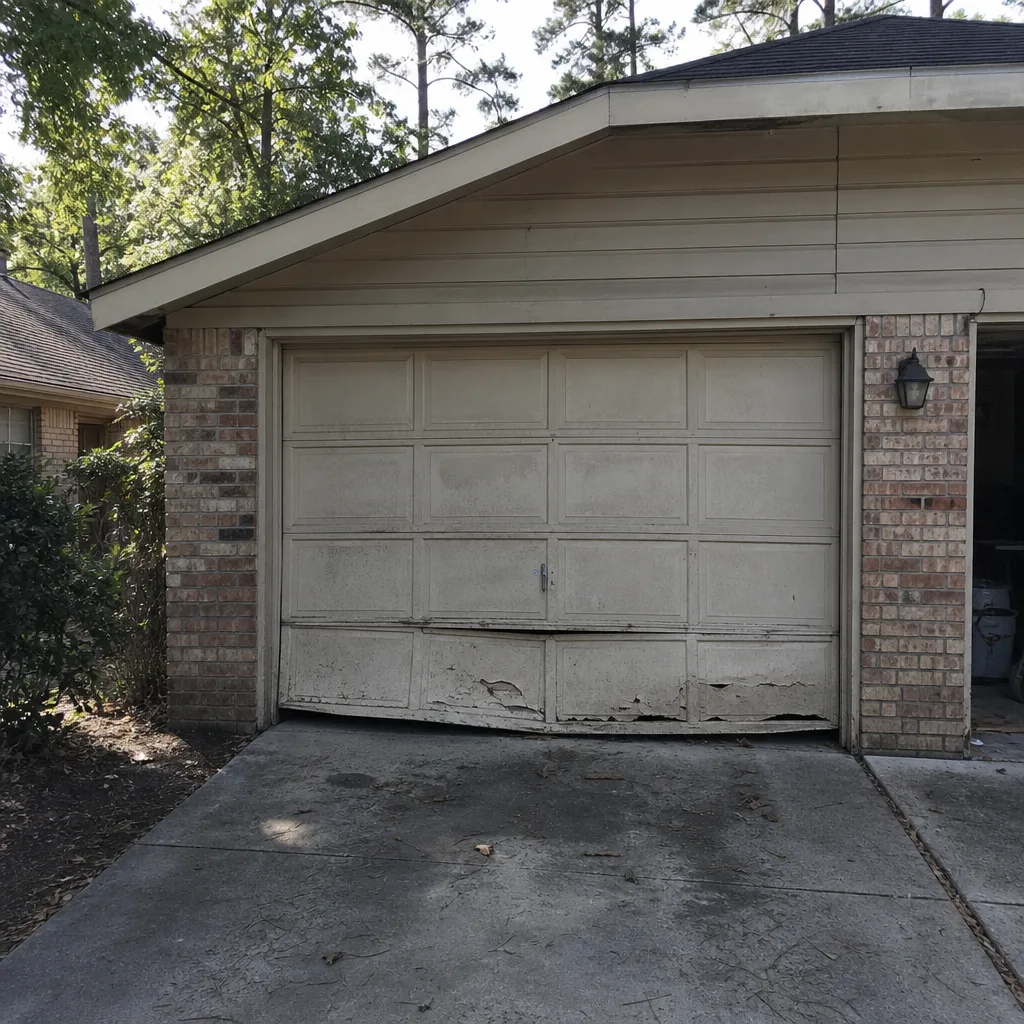
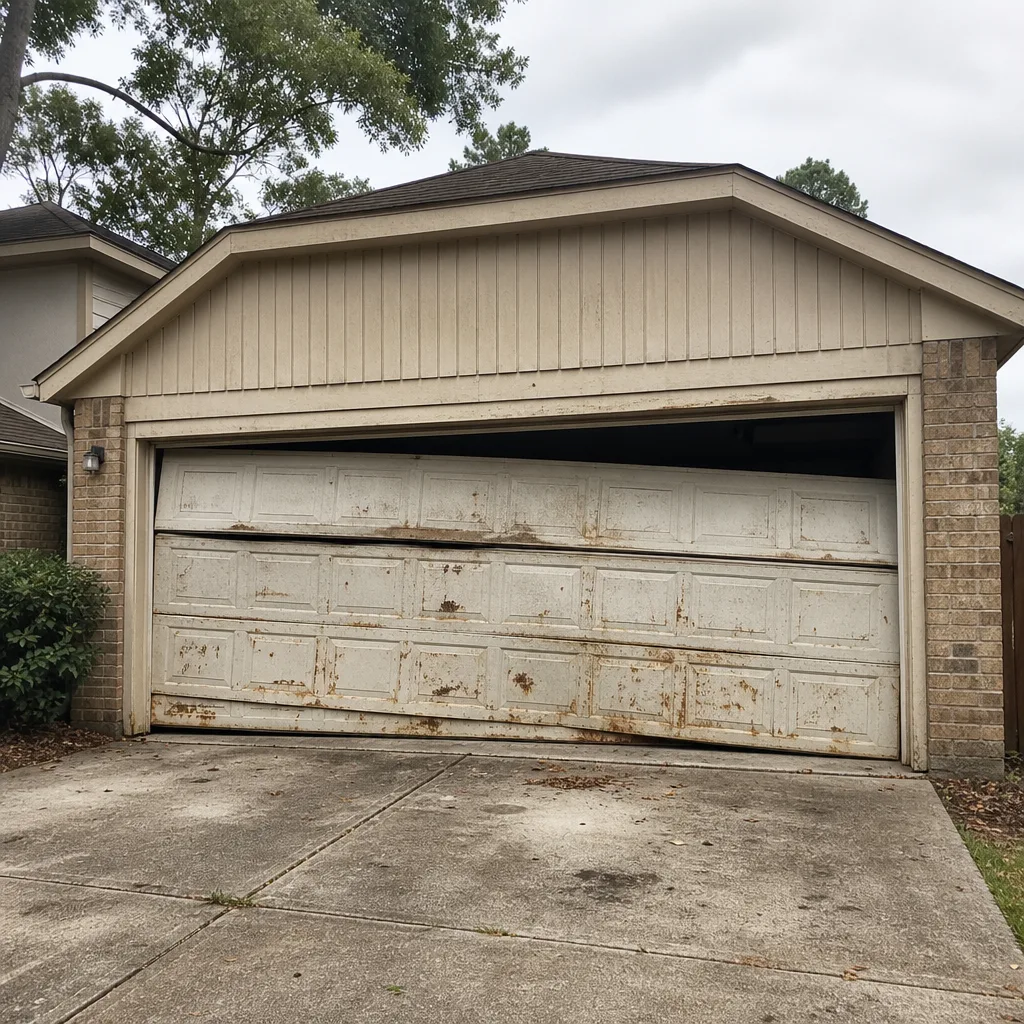
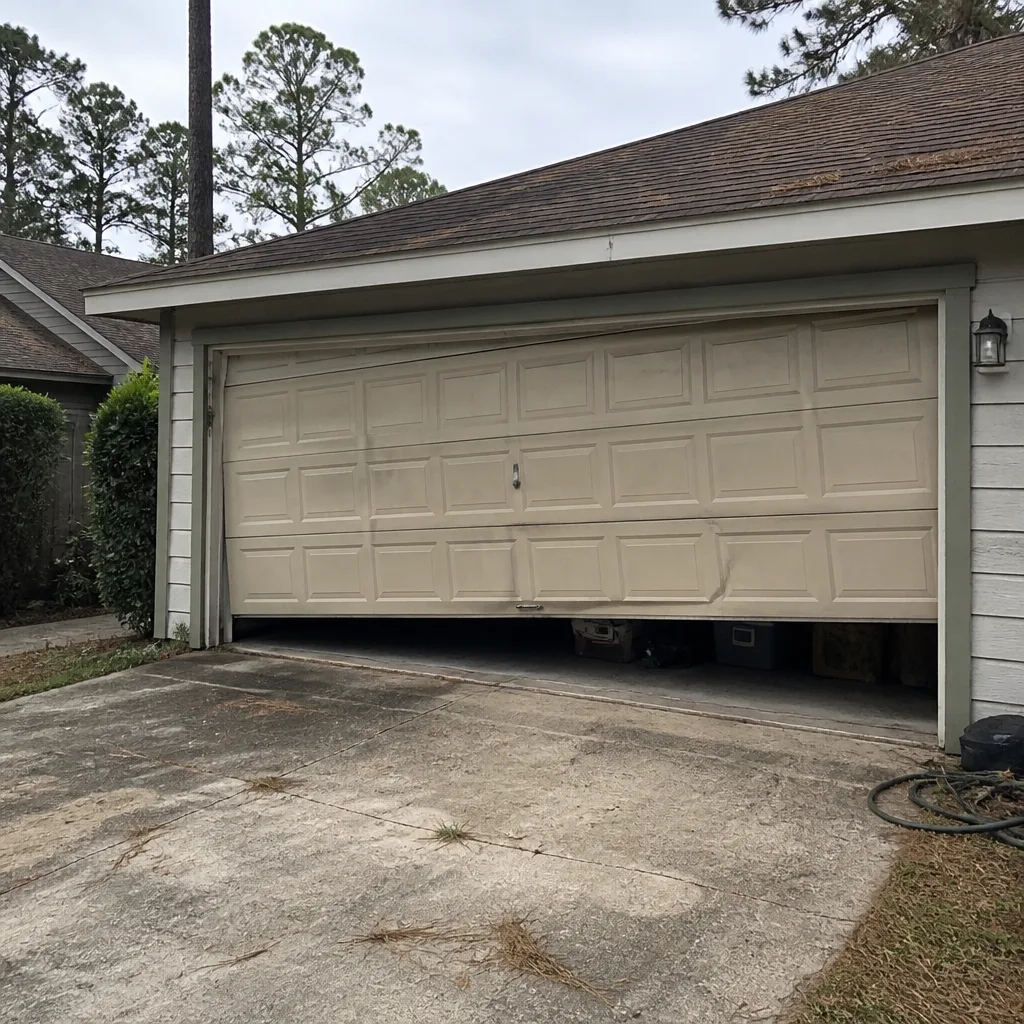 Before
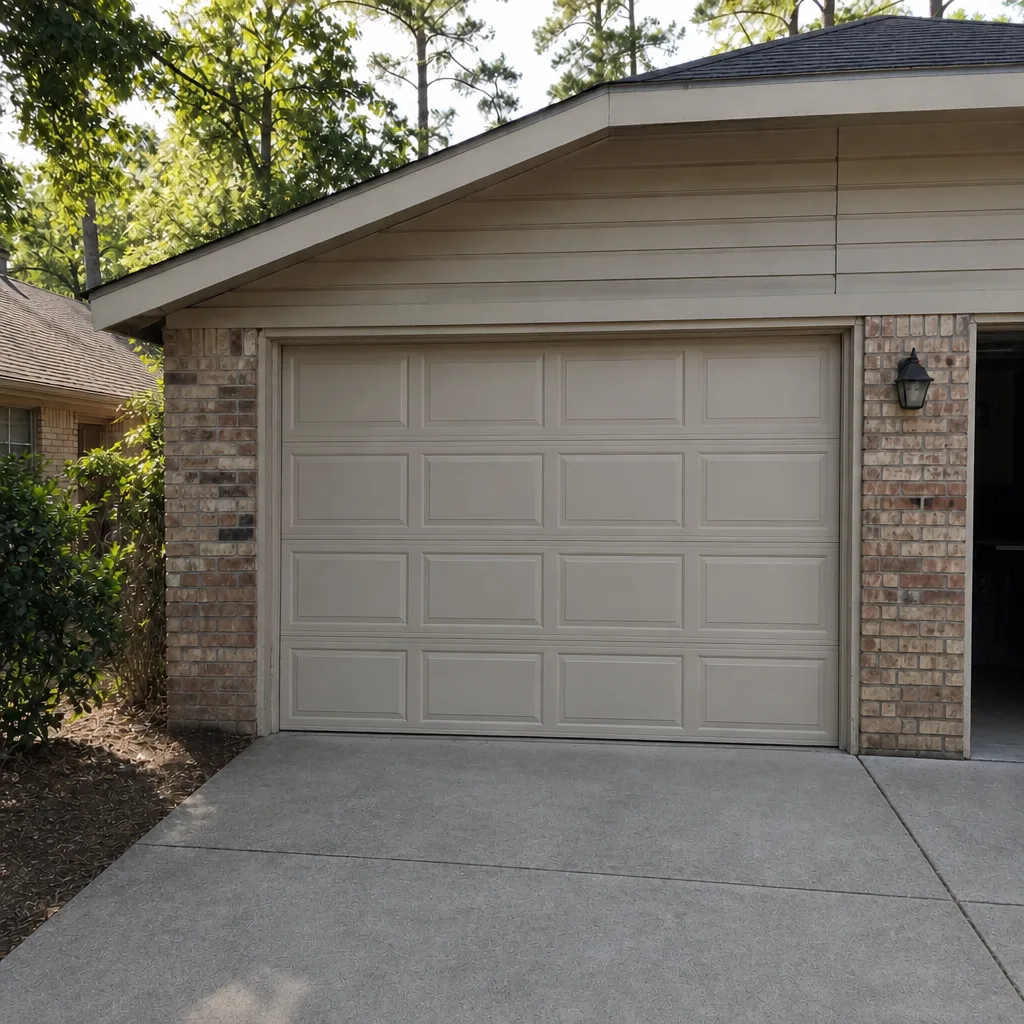
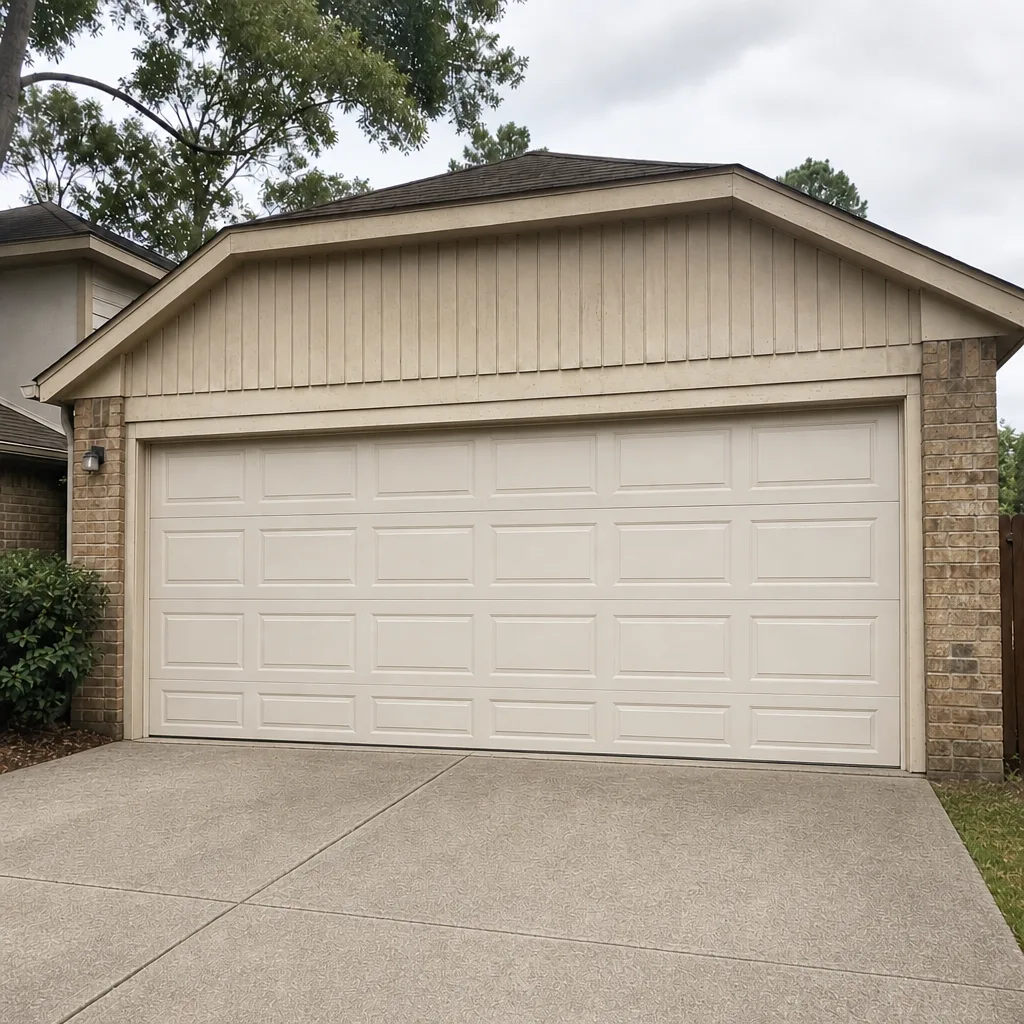
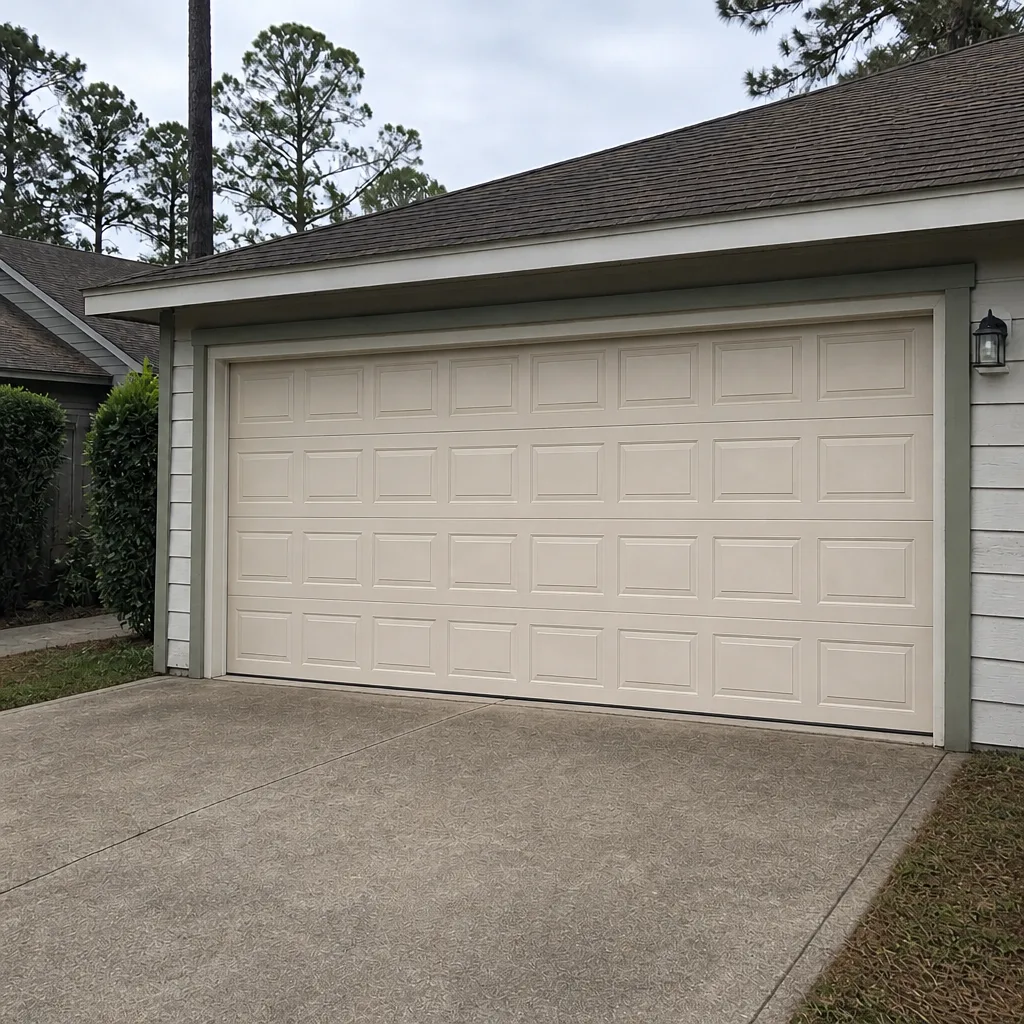 After
 Before
 After
 Before
 After